
Sport WooCommerce themes shape how your online store presents products, supports checkout, and fits your brand.
I focused on customization, loading speed, mobile responsiveness, and plugin compatibility.
We reviewed each theme’s layout options, Elementor support, and product-filter tools.
You can use this comparison to match your catalog with the theme that supports your store goals.
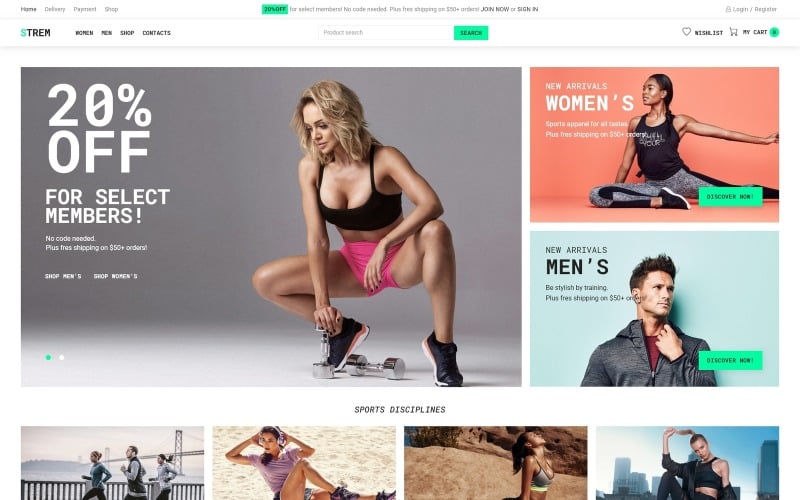
| Strem – Sports Store ECommerce Minimal Elementor WooCommerce Theme | 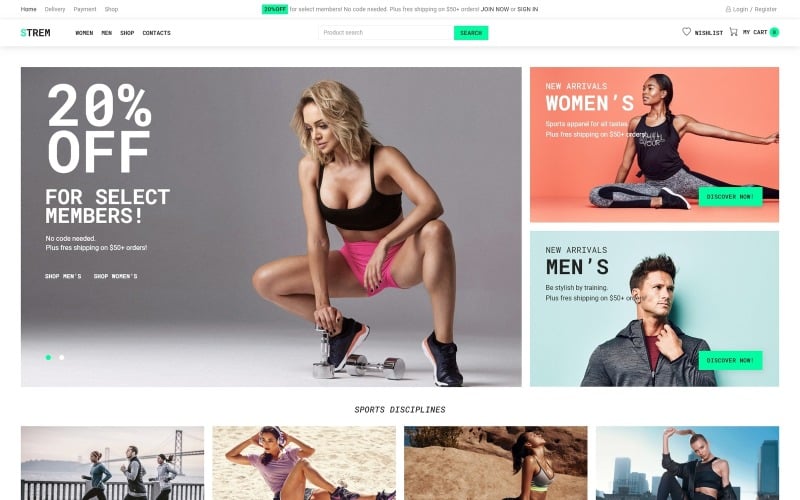 | Best for Sports Stores | Builder: Elementor + Woo plugins | Store Platform: WooCommerce-compatible | Responsive Design: Fully responsive | VIEW LATEST PRICE | Read Our Review |
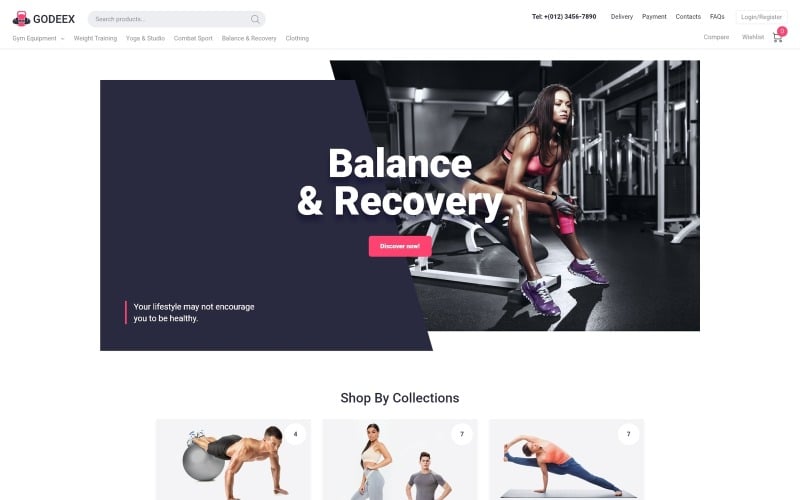
| Godeex – Sports Gear ECommerce Modern Elementor WooCommerce Theme | 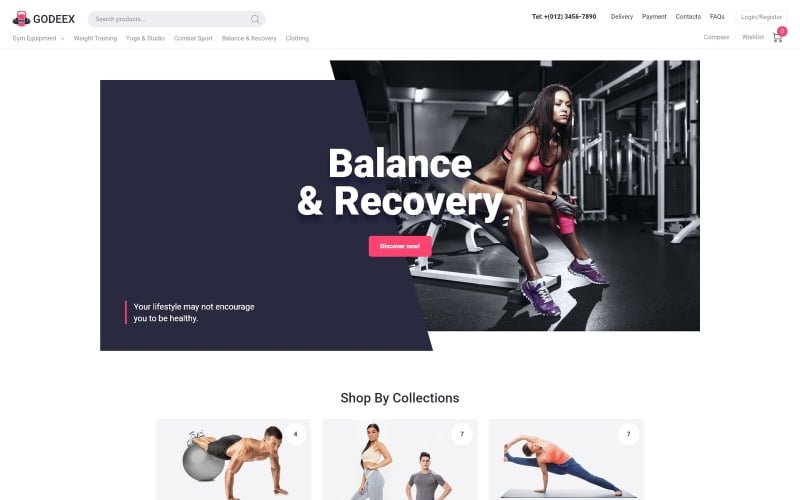 | Best for Gear Shops | Builder: Elementor + Jet plugins | Store Platform: WooCommerce-compatible | Responsive Design: Responsive | VIEW LATEST PRICE | Read Our Review |
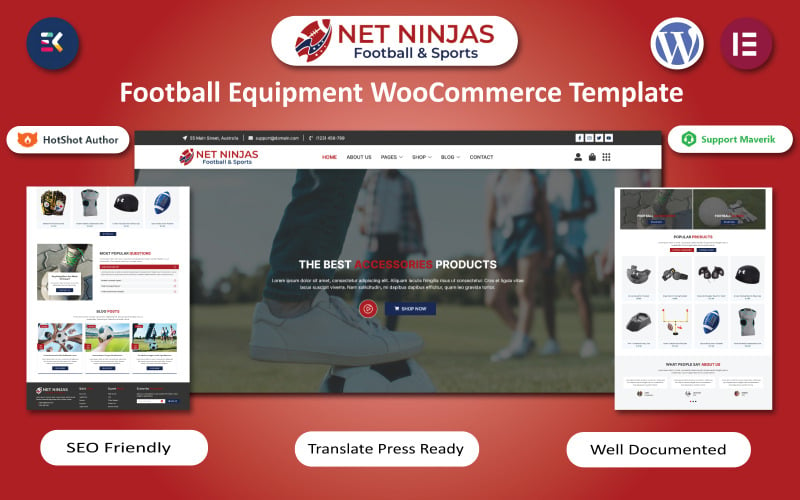
| Net Ninjas – Football Sports Equipment WooCommerce Elementor Template | 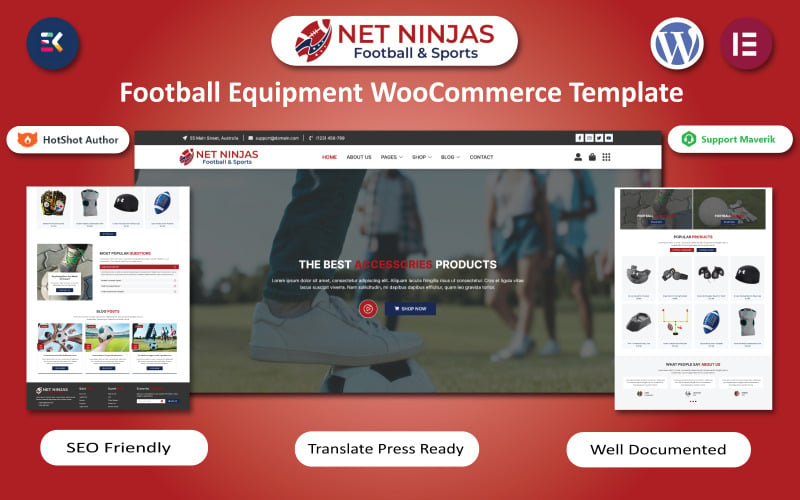 | Best Elementor Template | Builder: Elementor templates | Store Platform: WooCommerce integration | Responsive Design: Mobile-ready | VIEW LATEST PRICE | Read Our Review |
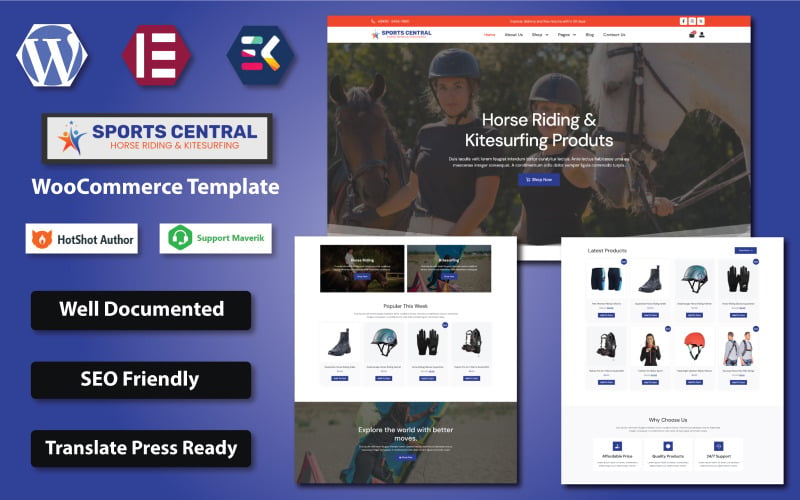
| Sports Central WooCommerce Sports Equipment Template | 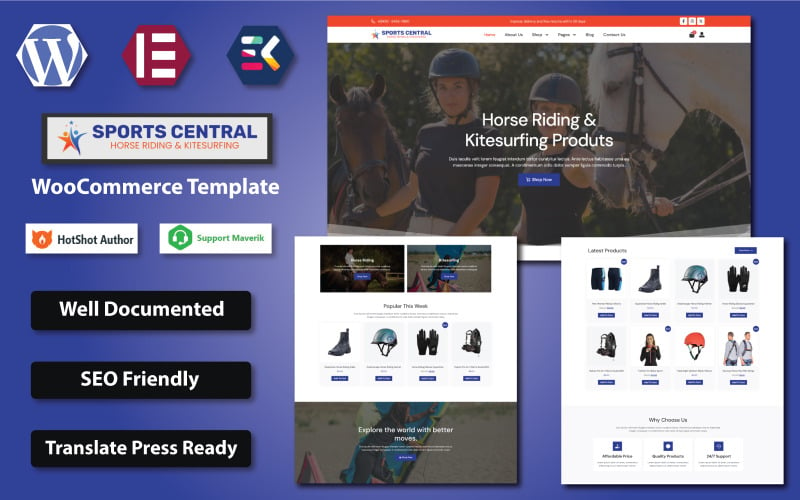 | Best Niche Pick | Builder: Elementor template | Store Platform: WooCommerce template | Responsive Design: Fully responsive | VIEW LATEST PRICE | Read Our Review |
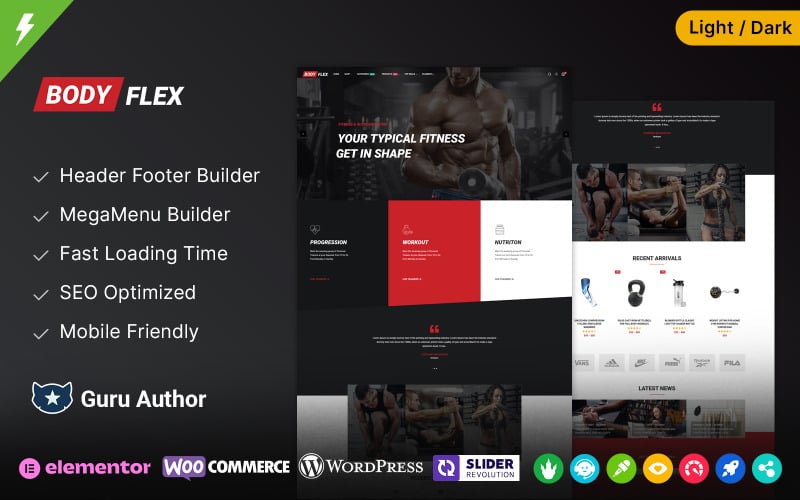
| BodyFlex – Gym and Fitness and Sports Club WooCommerce Theme | 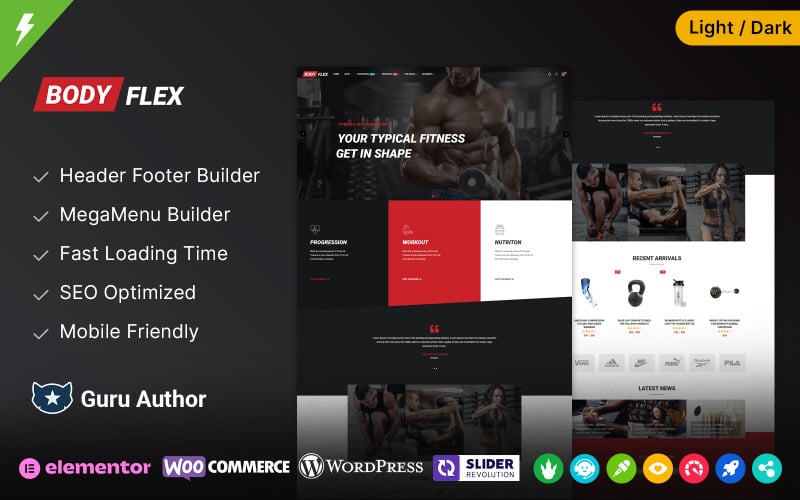 | Best for Fitness Clubs | Builder: Elementor + WooCommerce | Store Platform: WooCommerce theme | Responsive Design: Mobile-friendly | VIEW LATEST PRICE | Read Our Review |
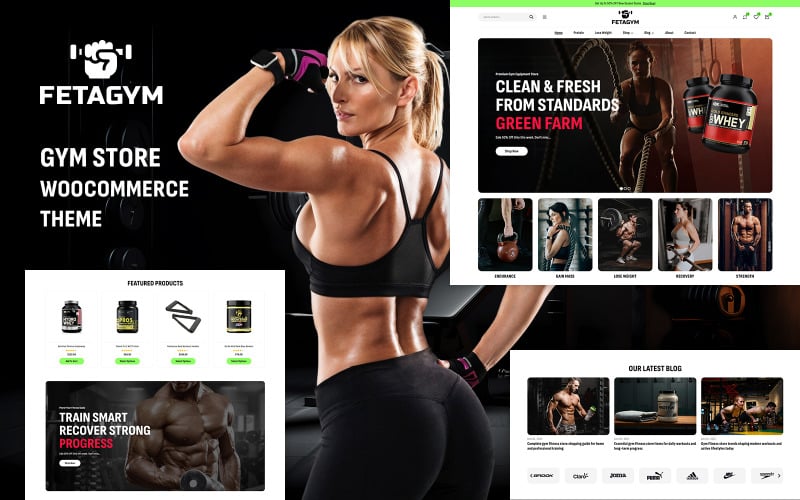
| Fetagym – Gym & Sports Store WooCommerce WordPress Theme | 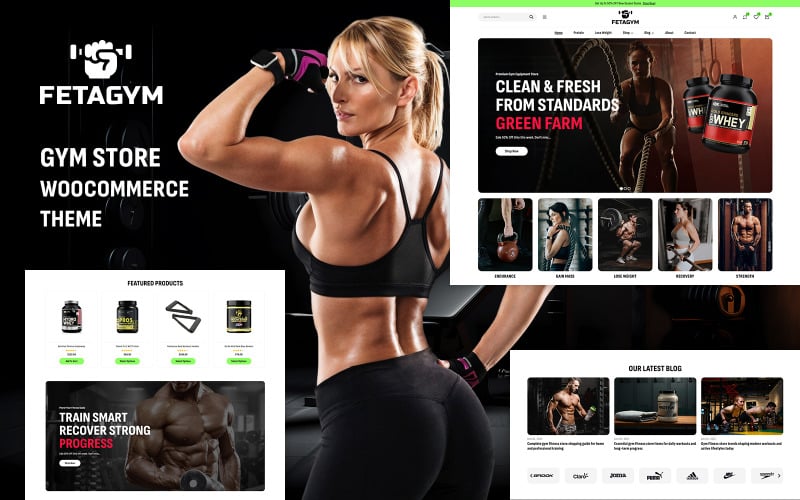 | Best for Gyms | Builder: Elementor WordPress theme | Store Platform: WooCommerce-compatible | Responsive Design: Mobile responsive | VIEW LATEST PRICE | Read Our Review |
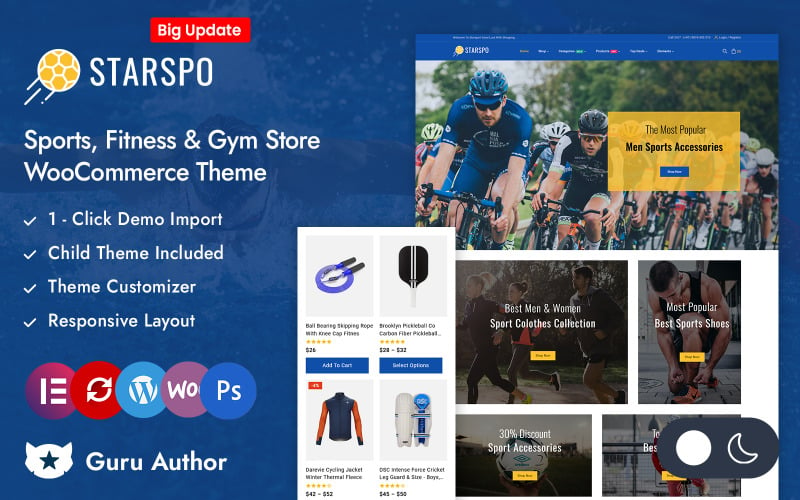
| Starspo – Sports Accessories Store Elementor WooCommerce Responsive Theme | 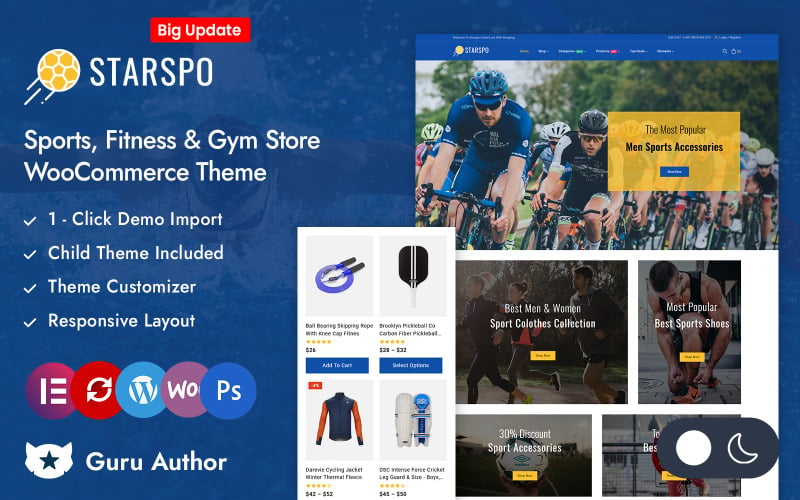 | Best for Accessories | Builder: Elementor + WooCommerce | Store Platform: WooCommerce theme | Responsive Design: Fully responsive | VIEW LATEST PRICE | Read Our Review |
More Details on Our Top Picks
Strem – Sports Store ECommerce Minimal Elementor WooCommerce Theme
Strem is a minimal WooCommerce theme built for sports stores that want clean category-based browsing. I found it especially useful for showing products, popular items, and collections without making the shop feel crowded.
It works with Elementor and Jet plugins, and you’ll appreciate tools like JetWoBuilder for product templates, JetThemeCore for layout parts, JetSmartFilters for AJAX filtering, and JetProductGallery for image display. It’s a solid fit for sports, outdoors, and travel shops.
Features:
- Minimal WooCommerce layout for category-focused stores
- Elementor and Jet plugin support
- JetSmartFilters for AJAX product filtering
- JetWoBuilder and JetThemeCore integration
- Responsive design for mobile and desktop use
Pros:
- Clean, easy-to-navigate storefront design
- Strong compatibility with popular WooCommerce tools
- Good for building focused product categories and collections
Cons:
- Best suited to niche stores, not broad marketplaces
- Requires website admin and FTP access for setup
Pricing: Available as a TemplateMonster theme; service is for one site only.
Best For: Ideal for sports, outdoor, and travel stores that want a simple, modern WooCommerce shop.
- Builder:Elementor + Woo plugins
- Store Platform:WooCommerce-compatible
- Responsive Design:Fully responsive
- Demo Import:Prebuilt sections
- SEO:SEO optimized
- Multilingual:Not specified
- Additional Feature:JetWoBuilder templates
- Additional Feature:JetSmartFilters AJAX
- Additional Feature:JetProductGallery showcase
Godeex – Sports Gear ECommerce Modern Elementor WooCommerce Theme
Godeex is a modern WooCommerce theme for sports gear shops that want a clean, focused storefront. I found it especially useful for sellers who want to build product pages, headers, and galleries without a lot of extra setup.
It feels well suited for store owners who need flexible design tools and a polished shopping experience. You’ll appreciate the Elementor and Jet plugin support, plus the responsive layout and WPML compatibility for reaching more customers.
Features:
- Elementor-based customization for layouts and content blocks
- WooCommerce-ready design for sports gear and online stores
- Responsive and retina-friendly display across devices
- Jet plugins included for product galleries, tabs, compare, and wishlist features
- Demo import and SEO-friendly tools for faster setup
Pros:
- Easy to build and customize with popular Elementor tools
- Strong e-commerce feature set for product-focused stores
- Multilingual support makes it more flexible for wider audiences
Cons:
- Requires admin panel and FTP access for installation support
- Has very limited marketplace history and user feedback
Pricing: One-website service; pricing details are not listed here.
Best For: Ideal for sports gear retailers who want a modern WooCommerce shop with flexible page-building options.
- Builder:Elementor + Jet plugins
- Store Platform:WooCommerce-compatible
- Responsive Design:Responsive
- Demo Import:Sample data installer
- SEO:SEO-friendly
- Multilingual:WPML-ready
- Additional Feature:JetCompareWishlist support
- Additional Feature:JetTabs accordions
- Additional Feature:Retina ready
Net Ninjas – Football Sports Equipment WooCommerce Elementor Template
Net Ninjas is a football-focused WooCommerce Elementor template made for clubs, academies, and sports equipment stores. I found it especially useful if you want a professional shop and content site without building from scratch.
You get Elementor page templates rather than a full WordPress theme, and you can import the demo with a .wpress file. We noticed it works well with Hello Elementor and other compatible themes, and WooCommerce takes care of products, checkout, and store management. The added blog layout and 2026 updates make it feel current and practical.
Features:
- Elementor page templates with easy demo import
- WooCommerce integration for product sales and checkout
- Mobile-ready, SEO-friendly page setup
- Home Page Version 2 and updated plugin compatibility
- Performance-focused design with strong PageSpeed potential
Pros:
- Simple to customize without coding
- Good fit for football brands and online sports stores
- Includes both shop and blog content options
Cons:
- Not a full WordPress theme
- Best results depend on good hosting and setup
Pricing: Pricing details were not provided.
Best For: Ideal for football clubs, academies, and sports equipment shops that want a quick Elementor-based storefront.
- Builder:Elementor templates
- Store Platform:WooCommerce integration
- Responsive Design:Mobile-ready
- Demo Import:.wpress import
- SEO:SEO optimized
- Multilingual:Not specified
- Additional Feature:Blog layout option
- Additional Feature:.wpress import
- Additional Feature:Hello Elementor compatible
Sports Central WooCommerce Sports Equipment Template
Sports Central is a WooCommerce theme built for horse-riding and kitesurfing stores, but I found it flexible enough for sports academies, clubs, and personal brand sites too. It works with Elementor, so you can build pages without coding, and it supports both product and service-focused layouts.
We noticed it’s positioned as a practical, modern template with responsive design, retina-ready visuals, and SEO-friendly structure. You’ll also appreciate the easy content import, eCommerce readiness, and support for the latest WordPress and PHP versions.
Features:
- Elementor page builder support for no-code editing
- WooCommerce-ready for sports products and services
- Fully responsive and retina ready
- SEO optimized and cross-browser compatible
- .wpress import for quick setup
Pros:
- Easy to customize with Elementor
- Good fit for both stores and service-based sports websites
- Strong performance and mobile-friendly design
Cons:
- License is limited to 1 website
- Requires admin panel and FTP access for installation
Pricing: License service applies to one website only; pricing depends on the selected plan.
Best For: Ideal for sports businesses, equestrian shops, kitesurfing stores, and fitness brands that want a professional WooCommerce site.
- Builder:Elementor template
- Store Platform:WooCommerce template
- Responsive Design:Fully responsive
- Demo Import:.wpress import
- SEO:SEO optimized
- Multilingual:Not specified
- Additional Feature:Horse riding focus
- Additional Feature:Kitesurfing niche
- Additional Feature:.wpress import
BodyFlex – Gym and Fitness and Sports Club WooCommerce Theme
BodyFlex is a WooCommerce theme built for gyms, fitness clubs, sports centers, personal trainers, and health product shops. I found it especially useful if you want a bold, modern store that still feels easy to manage.
It’s built with Elementor, so you can edit pages visually, and the one-click demo import helps you get started fast. You’ll also appreciate features like AJAX filters, quick view, wishlist, and an off-canvas cart.
Features:
- Elementor-based drag-and-drop editing
- AJAX filters, quick view, wishlist, and buy now checkout
- 4+ rollover styles and 12+ hover styles
- Mobile-friendly design with WPML and Dokan support
- SEO-friendly code and performance-focused setup
Pros:
- Easy to customize without coding
- Strong fit for fitness and sports-related online stores
- Helpful shopping features for a smoother user experience
Cons:
- Licensed for only 1 website
- PageSpeed and performance claims may vary by setup
Pricing: Available with a single-site license.
Best For: Ideal for fitness businesses and sports brands that want a stylish WooCommerce store with flexible design tools.
- Builder:Elementor + WooCommerce
- Store Platform:WooCommerce theme
- Responsive Design:Mobile-friendly
- Demo Import:One-click demo import
- SEO:SEO optimized
- Multilingual:WPML + multi-currency
- Additional Feature:Off-canvas cart
- Additional Feature:Mega menu
- Additional Feature:Multi-vendor marketplace
Fetagym – Gym & Sports Store WooCommerce WordPress Theme
Fetagym is a WooCommerce WordPress theme built for gym and sports stores that want a clean, product-first shop layout. I found it especially useful for fitness retailers, supplement shops, and sports equipment sellers that need a straightforward online catalog.
It stands out with mobile-responsive design, quick loading, and flexible branding options, so you can shape the store to fit your style. You’ll also appreciate the advanced filtering and secure checkout, which make shopping smoother for customers.
Features:
- WooCommerce-ready product catalog
- Mobile-responsive pages
- Quick-loading performance
- Advanced product filtering
- Customizable typography and layout elements
Pros:
- Easy fit for fitness and sports e-commerce
- Strong focus on product presentation
- Responsive design works well on mobile devices
Cons:
- Limited public feedback so far
- Setup support is limited to one website and needs admin panel plus FTP access
Pricing: Available on TemplateMonster; pricing details depend on the current plan or license.
Best For: Ideal for gym stores, sports shops, supplement retailers, and fitness equipment sellers.
- Builder:Elementor WordPress theme
- Store Platform:WooCommerce-compatible
- Responsive Design:Mobile responsive
- Demo Import:Sample data files
- SEO:SEO optimized
- Multilingual:Not specified
- Additional Feature:Secure checkout
- Additional Feature:Advanced product filtering
- Additional Feature:Customizable typography
Starspo – Sports Accessories Store Elementor WooCommerce Responsive Theme
Starspo is a responsive WooCommerce theme built for sports accessories stores and similar shops that want a clean, fast online presence. I found it easy to imagine this working well for sellers who want to manage products, orders, and payments without a lot of setup hassle.
You can edit layouts in Elementor, import demo content with one click, and use features like Ajax add-to-cart, Quick View, Wishlist, and Compare. We also noticed useful extras like a sticky header, mega menu, off-canvas cart, product zoom, and WPML support.
Features:
- Elementor-based customization with no coding needed
- WooCommerce integration for products, orders, inventory, and payments
- Ajax add-to-cart, filtering, Quick View, Wishlist, and Compare
- Responsive design with sticky header, mega menu, and off-canvas cart
- SEO-friendly structure and multilingual WPML support
Pros:
- Easy to customize and launch quickly
- Strong set of shopping features for better UX
- Mobile-friendly and built for performance
Cons:
- Best suited for stores already using WooCommerce
- Advanced setup may still take time if you want a highly custom design
Pricing: Pricing details are not listed here; check the official theme page for current plans.
Best For: Ideal for sports, accessories, and fashion-style WooCommerce stores that want a flexible, responsive theme.
- Builder:Elementor + WooCommerce
- Store Platform:WooCommerce theme
- Responsive Design:Fully responsive
- Demo Import:1-click demo import
- SEO:SEO best practices
- Multilingual:WPML-compatible
- Additional Feature:Horizontal mega menu
- Additional Feature:Sticky header
- Additional Feature:Brand logo block
Factors to Consider When Choosing Sport WooCommerce Themes for WordPress Stores
You should choose a sport WooCommerce theme that matches your products, from gear and apparel to equipment, so every item displays correctly. Make sure it’s mobile responsive, includes core WooCommerce features like product filters, cart support, and checkout tools, and loads fast enough to help SEO. You can also save time if the theme offers design customization for colors, layouts, and typography without code.
Product Compatibility
Check product compatibility first, because the theme has to fit your ecommerce platform before design details matter. In our research, that means confirming it is explicitly listed as WooCommerce-compatible, and also checking WordPress compatibility plus WPML readiness if you plan to run multilingual catalogs, so product pages, brand labels, and metadata stay intact across the store.
If you use a page builder, verify Elementor support before you buy, since that affects how easily you can edit product grids, single-product layouts, and checkout sections. You should also look at official documentation and verified reviews to see whether the theme handles real-world customization without breaking responsive design, SEO, or Core Web Vitals on mobile devices.
Advanced storefront features need extra testing, especially for stores with varied product types like jerseys, shoes, and accessories. We recommend checking AJAX add-to-cart, AJAX filters, and infinite scroll against your WooCommerce version, because these features can improve usability but sometimes create conflicts with plugins, speed, or checkout behavior.
For international stores, confirm WooCommerce Multilingual support rather than assuming translation tools will work smoothly. You’ll want category pages, product archives, and translated descriptions to remain consistent, and if the theme is also used in ecosystems like Shopify, Magento, BigCommerce, PrestaShop, OpenCart, Wix, or Squarespace, the same compatibility mindset applies: integrations, documentation, updates, and support matter as much as visual design.
Before you decide, compare pricing, update frequency, and long-term support alongside performance benchmarks and user feedback. You can usually avoid expensive rebuilds later if the theme is well maintained, scales cleanly as your catalog grows, and matches your store’s needs for customization, mobile optimization, and reliable checkout flow.
Mobile Responsiveness
Mobile responsiveness is a core ecommerce requirement, not a nice-to-have, because shoppers expect fast, usable experiences on phones whether they’re browsing Shopify, WooCommerce, Magento, BigCommerce, PrestaShop, OpenCart, Wix, or Squarespace. For a sport WooCommerce theme, you should verify that it’s truly responsive, works cleanly with page builders like Elementor, and keeps product pages, navigation, and checkout usable on small screens.
I’d start by checking the theme’s official documentation for “Fully Responsive,” mobile-ready, and retina-ready support, since those claims should be backed by clear layout behavior and not just demo images. You’ll want product photos, logos, and icons to stay sharp, but you also need spacing, typography, and menu patterns that remain readable and easy to tap when the screen gets smaller.
We also recommend looking beyond design labels and into practical mobile features that affect conversions, such as off-canvas carts, quick view popups, AJAX add-to-cart, and AJAX filtering. If those tools are implemented well, you reduce taps and delays during product browsing, which is especially important for ecommerce stores with large catalogs and comparison-heavy buying journeys.
You should also pay attention to performance evidence, not just marketing claims, because Core Web Vitals and load speed are closely tied to mobile engagement and SEO. When a theme advertises a “90+ PageSpeed Score,” treat that as a starting point and confirm it with real testing on demo pages, plugin-heavy setups, and your own product content so you can judge long-term speed and reliability.
I’d also compare compatibility carefully, since mobile layouts can break when themes meet different plugins, apps, or browser behaviors. Verified user reviews, update history, documentation quality, and support responsiveness matter here because they tell you whether the theme is maintained well and likely to stay stable as WooCommerce and your plugin stack evolve.
Finally, choose a theme that balances mobile responsiveness with customization, pricing, and scalability, because the cheapest option is not always the best long-term value. You’ll make a better decision if you pick a theme that supports SEO-friendly product pages, works smoothly with your checkout flow, and gives you enough flexibility to grow without constant redesigns.
WooCommerce Features
When you compare ecommerce themes, the best choice usually comes down to how well the storefront supports conversion, speed, and mobile usability. For a sport WordPress site built on WooCommerce, features like AJAX add-to-cart, quick view, wishlist and compare tools, and AJAX filtering can make browsing feel much closer to what shoppers expect from polished Shopify or BigCommerce stores. We recommend treating those features as practical essentials, because they help you move customers from product pages to checkout with less friction.
Product discovery matters just as much as visual design. In our research, themes that include off-canvas carts, sticky add-to-cart bars, advanced search, and load-more or infinite scroll options tend to make larger catalogs easier to use, especially for jerseys, shoes, and gear. If you want a smoother mobile experience, you should also check whether the theme keeps these tools lightweight enough to protect Core Web Vitals and page speed.
The product page is where many themes either support conversions or slow them down. A strong WooCommerce theme should handle galleries cleanly, support variant color swatches, and present shop and category layouts that adapt well across devices. I’d also look for a straightforward checkout flow, because that is often where WooCommerce sites lose buyers if the layout feels cluttered or the responsive design breaks on smaller screens.
Compatibility is another area where you should be selective. Official plugin documentation and verified user reviews are often the best way to confirm whether a theme works well with WPML, Dokan, Mailchimp, and common contact form plugins. We also suggest checking whether the theme has regular updates, clear documentation, and reliable support, since those details usually matter more over time than a long feature list.
Performance and SEO should stay part of the decision from the start. A theme that advertises responsive WooCommerce layouts and strong speed claims is worth a closer look, but you should still compare benchmark results, mobile optimization, and how the theme handles page builders and customizations. If you are weighing WooCommerce against Shopify, Magento, PrestaShop, OpenCart, Wix, or Squarespace, the practical question is the same: does the theme keep the site fast, easy to manage, and scalable as your catalog grows?
Pricing and long-term value can be just as important as design quality. Some premium themes cost more upfront but save time through better documentation, cleaner code, and fewer plugin conflicts, while cheaper options can become expensive if they need frequent fixes. You should choose the theme that gives you the best balance of features, support, updates, and flexibility for your store’s growth plans.
Speed And SEO
Speed and SEO are core ecommerce requirements, not optional extras, because search visibility and user experience both depend on performance. In WooCommerce, Shopify, Magento, BigCommerce, PrestaShop, OpenCart, Wix, and Squarespace themes, I’d look for evidence of strong Core Web Vitals, clean code, and mobile optimization so your store can compete in search and convert visitors reliably.
We should prioritize themes that are lightweight and backed by performance benchmarks, official documentation, or well-documented user reviews rather than vague marketing claims. If you see a theme with strong PageSpeed results, optimized asset loading, and limited JavaScript overhead, you’re more likely to get faster product pages, smoother category browsing, and a better checkout experience.
For SEO, you want a theme built with semantic HTML5, structured layouts, and compatibility with plugins or apps that manage metadata, XML sitemaps, and canonical tags. You can usually trust a theme more when it supports crawlable navigation and doesn’t interfere with indexing, which helps your product catalog perform better over time.
Mobile responsiveness matters just as much as desktop design because Google uses mobile-first indexing and buyers increasingly shop on phones. You should check that the theme adapts cleanly across screen sizes, works well with page builders, and keeps the checkout flow simple, since a polished mobile experience often improves both rankings and revenue.
I also recommend checking compatibility with your broader ecommerce stack, especially plugins in WooCommerce or apps in Shopify, because conflicts can slow a site down quickly. If the theme is regularly updated, well supported, and priced fairly for the features it includes, you’re more likely to get long-term value instead of a short-term design fix.
Design Customization
Design customization matters most when you want a storefront that looks branded without slowing down the buying experience. In WooCommerce themes, I’d look for official support for Elementor or another reputable page builder, plus clear documentation for headers, footers, and product pages, because that usually gives you flexibility without editing theme files. Start with a demo import if you need a faster launch, then use it to test whether the layout still feels clean on mobile.
A good customization setup should also make routine changes simple for you and your team. We recommend themes with built-in controls for colors, typography, banners, sliders, and layout variations, since verified user reviews often show these tools reduce dependence on developers and keep updates easier to manage. If you sell across Shopify, WooCommerce, Magento, BigCommerce, PrestaShop, OpenCart, Wix, or Squarespace, you should confirm the theme keeps its structure consistent across templates so your SEO and user experience stay stable.
For stores serving multiple languages, compatibility is especially important. I’d choose a WPML-ready or similarly translation-friendly WooCommerce theme so you can keep the same design hierarchy across versions while localizing content properly. If you’re comparing options, make sure the theme also performs well on Core Web Vitals and mobile optimization, because strong design only helps if pages load quickly and checkout stays smooth.
Plugin Support
Plugin support is a practical ecommerce decision because it determines how much you can extend a theme without custom development. In WooCommerce and other platforms like Shopify, Magento, BigCommerce, PrestaShop, OpenCart, Wix, and Squarespace, I’d look first at whether the theme explicitly supports the integrations you actually need, such as page builders, wishlist tools, compare features, and slider plugins.
You should check the official documentation to see whether the theme depends on Elementor, Jet plugins, or similar widgets for product galleries, AJAX filters, and quick-view panels. We’ve found that themes with clear, current plugin lists are usually easier to maintain, and you’ll want to confirm support for WooCommerce core features like AJAX add-to-cart and filtering so your product discovery flow stays fast and usable.
For stores serving multiple regions, you should verify WPML and WooCommerce Multilingual compatibility for products, categories, attributes, and metadata. I’d treat this as a long-term SEO and localization issue, because translation gaps can affect page quality, internal linking, and even checkout confidence across markets.
It also helps to review changelogs, support notes, and verified user reviews before you buy, since plugin package updates can affect checkout behavior, layouts, and mobile optimization after installation. We recommend choosing themes that document compatibility clearly, update regularly, and align with Core Web Vitals and responsive design best practices, because that usually gives you better performance, stronger support, and more reliable value over time.
Frequently Asked Questions
How Do I Migrate My Existing Store to a New Sports Theme?
Back up your store, install the new sports theme, then test products, carts, menus, and checkout. You’ll switch settings carefully, fix layout issues, and launch after verifying payments, plugins, and mobile display.
Can These Themes Support Multilingual Sports Stores?
Yes, they can if you choose a theme that’s translation-ready and works with WPML or Polylang. You’ll localize product pages, checkout, and menus, so you can sell sports gear in multiple languages easily.
Which Payment Gateways Work Best for Sport Woocommerce Themes?
Like a locker room huddle, you’ll want Stripe, PayPal, and Square for most sport WooCommerce themes; they’re fast, trusted, and mobile-friendly. If you sell subscriptions, add Authorize.net or local gateways for smoother checkout.
How Can I Improve Product Filtering for Large Sports Catalogs?
You can improve filtering by adding layered facets, live search, AJAX updates, attribute swatches, and mobile-friendly controls. Prioritize sport-specific filters like size, team, gender, and price, and test filters regularly for fast, relevant results.
Do These Themes Support Subscription-Based Fitness Memberships?
Yes, like a gym pass opening every door, you’ll need a compatible membership plugin; most themes support it well, but they don’t usually include subscriptions natively. You can easily integrate recurring billing, access control, and member dashboards.
Conclusion
You can choose any of these 7 themes to launch a sports store that looks sharp and works smoothly. Strem, Godeex, Net Ninjas, Sports Central, BodyFlex, Fetagym, and Starspo each support modern WooCommerce tools, so your catalog, cart, and checkout stay organized. When you pick a theme that fits your niche, your pages load cleanly, and your shoppers move from browsing to buying naturally.

Abdullah Prem is the founder of EcommerceThemes.org and BloggersNeed.com. He specializes in reviewing Shopify themes, WooCommerce themes, WordPress themes, hosting, plugins, and SaaS tools. Through EcommerceThemes.org, he publishes in-depth theme reviews, product comparisons, buying guides, and performance analyses to help ecommerce businesses choose the right theme based on speed, SEO, customization, user experience, and overall value. His goal is to provide research-driven recommendations that help store owners make informed decisions when selecting an ecommerce theme.