
WooCommerce themes for tools shape how your online store presents drills, parts, and accessories. They support e-commerce design decisions that affect browsing, trust, and checkout flow.
I reviewed customization, mobile responsiveness, loading performance, and SEO structure. We also checked plugin compatibility and product presentation for stores that need practical navigation.
I focused on how each theme handles category depth, filters, and conversion elements. You can use these findings to choose a setup that fits your catalog and sales goals.
| Tools Online Store WooCommerce Theme | 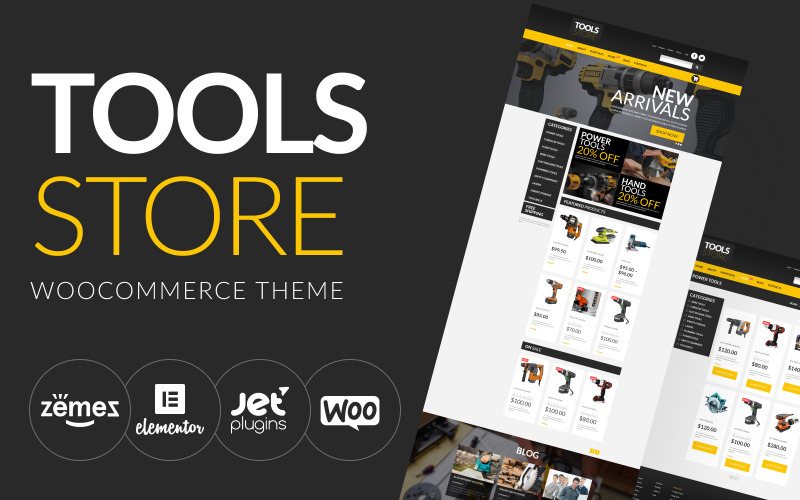 | Best Overall | Page Builder: Elementor | Responsive Design: Fully responsive | WooCommerce Support: Compatible | VIEW LATEST PRICE | Read Our Review |
| Tooldic – Power Equipment Tools and Auto Parts WooCommerce Theme | 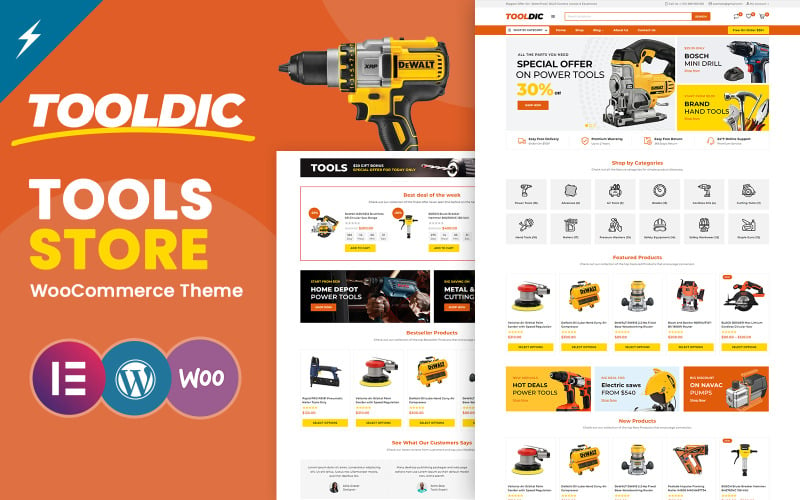 | Most Popular | Page Builder: WordPress builder / Elementor-based | Responsive Design: Fully responsive | WooCommerce Support: Compatible | VIEW LATEST PRICE | Read Our Review |
| Toolgrip – Multipurpose Tools Store Elementor WooCommerce Responsive Theme | 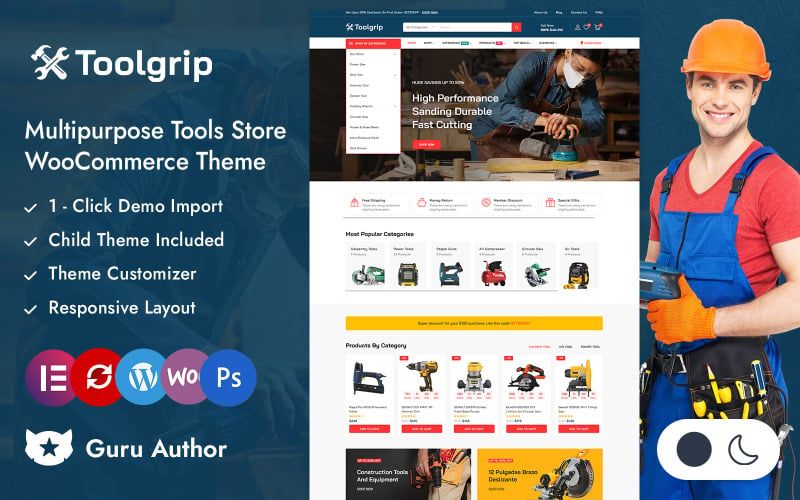 | Best for Features | Page Builder: Elementor | Responsive Design: Fully responsive | WooCommerce Support: Compatible | VIEW LATEST PRICE | Read Our Review |
| ToolsPart – Best Tools Store Elementor WooCommerce Responsive Theme | 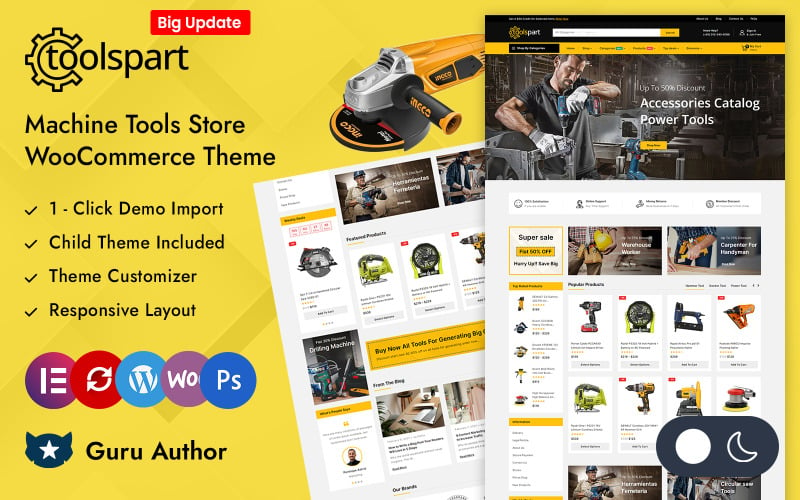 | Best for Customization | Page Builder: Elementor | Responsive Design: 100% responsive | WooCommerce Support: Compatible | VIEW LATEST PRICE | Read Our Review |
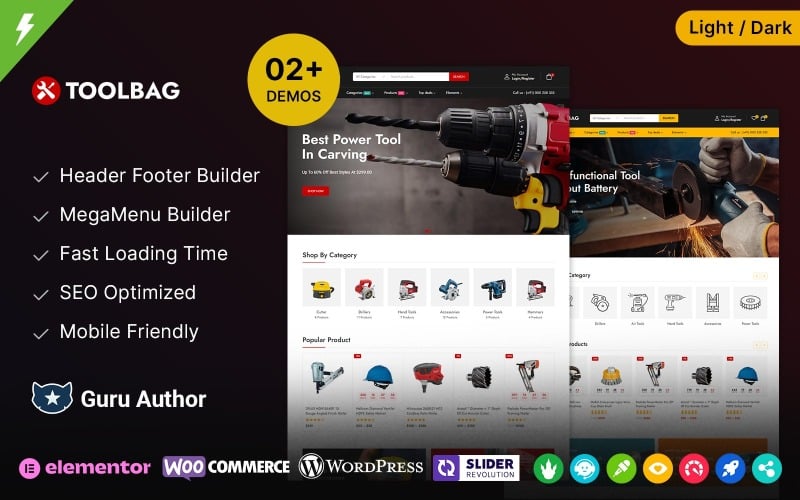
| Toolbag – Tools and Equipments and Spare Parts Elementor WooCommerce Theme | 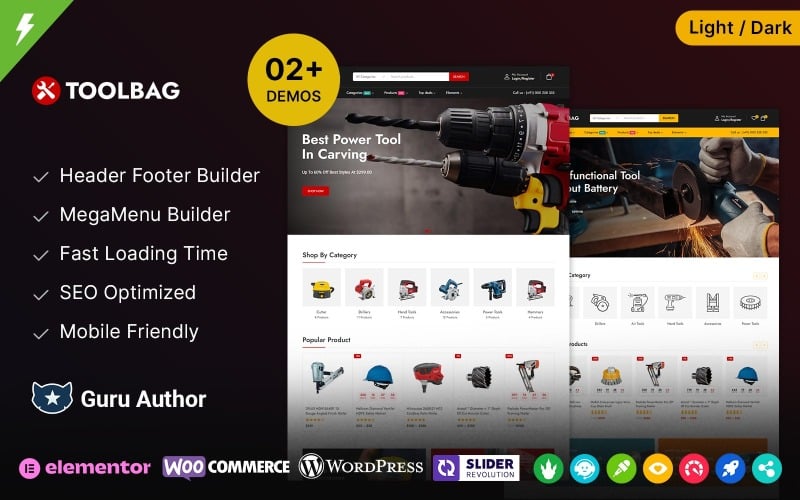 | Best for Conversions | Page Builder: Elementor | Responsive Design: 100% responsive | WooCommerce Support: Built-in integration | VIEW LATEST PRICE | Read Our Review |
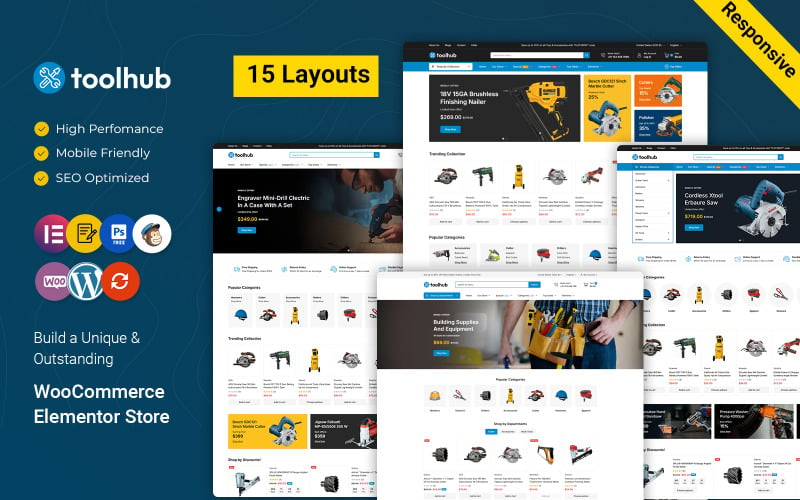
| Toohub – Tools Power Equipment Spare Parts and Auto Parts WooCommerce Theme | 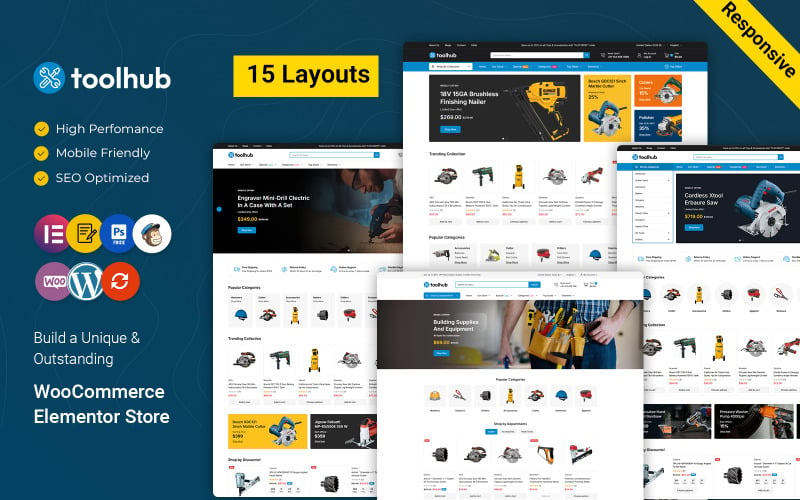 | Best for Growth | Page Builder: Elementor | Responsive Design: Fully responsive | WooCommerce Support: Compatible | VIEW LATEST PRICE | Read Our Review |
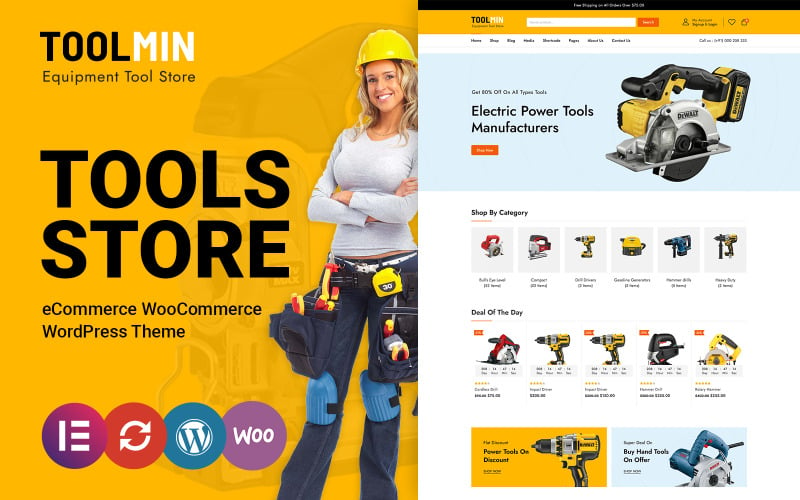
| ToolMin – Power Equipment Tools WooCommerce Theme | 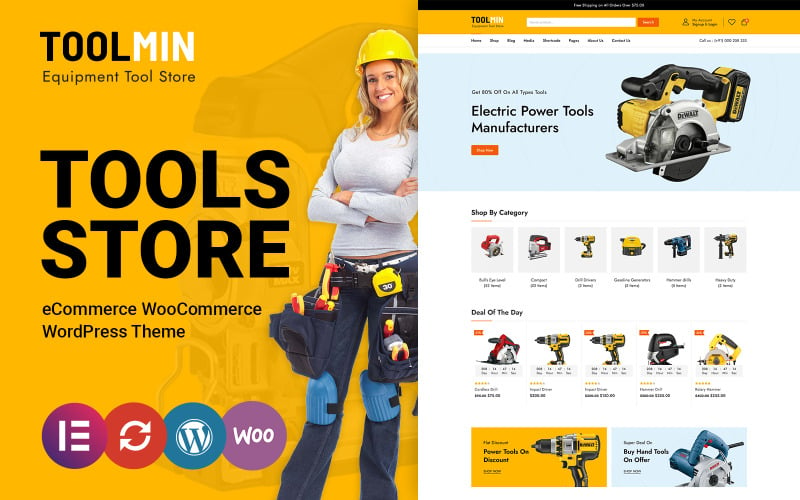 | Best for Simplicity | Page Builder: Elementor | Responsive Design: Completely responsive | WooCommerce Support: Compatible | VIEW LATEST PRICE | Read Our Review |
More Details on Our Top Picks
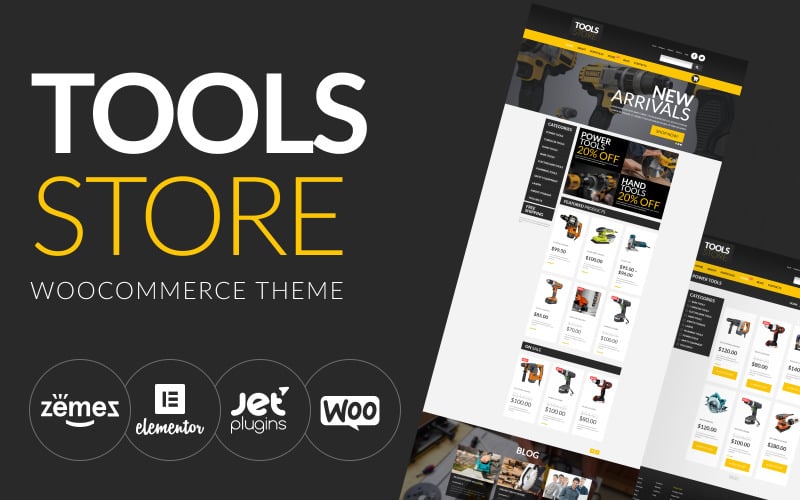
Tools Online Store WooCommerce Theme
Tools Online Store WooCommerce Theme is a practical choice if you want a store-focused design that feels straightforward and easy to manage. I found it especially useful for sellers who need a WooCommerce-ready, Elementor-based layout without extra complexity.
It gives you a full-screen slider, product grids, star ratings, and quick-action buttons, so you can showcase tools clearly and guide shoppers fast. With 6 core pages, built-in widgets, and WordPress 6.8 support, you’ll appreciate how it covers both sales and brand presentation in one setup.
Features:
- WooCommerce-ready, Elementor-based layout
- Full-screen slider, product grids, star ratings, and quick-action buttons
- 6 core pages: Home, About, Portfolio, Store, Blog, Contacts
- Built-in widgets and WordPress 6.8 compatibility
- Supports 1 website per license
Pros:
- Clean structure for product-focused stores
- Covers marketing, branding, and support pages in one theme
- Easy to work with if you already use Elementor
Cons:
- Setup requires admin-panel access and FTP credentials
- Single-site license may feel limited for agencies or multi-store owners
Pricing: Supports 1 website per license; pricing details depend on the plan.
Best For: Ideal for tool shops and online store owners who want a simple, WooCommerce-ready theme with essential selling features.
- Page Builder:Elementor
- Responsive Design:Fully responsive
- WooCommerce Support:Compatible
- Demo Import:Demo content collection
- SEO Optimized:SEO optimized
- Fast Loading:90+ PageSpeed
- Additional Feature:Full-screen product slider
- Additional Feature:Fixed header
- Additional Feature:Twitter X icons
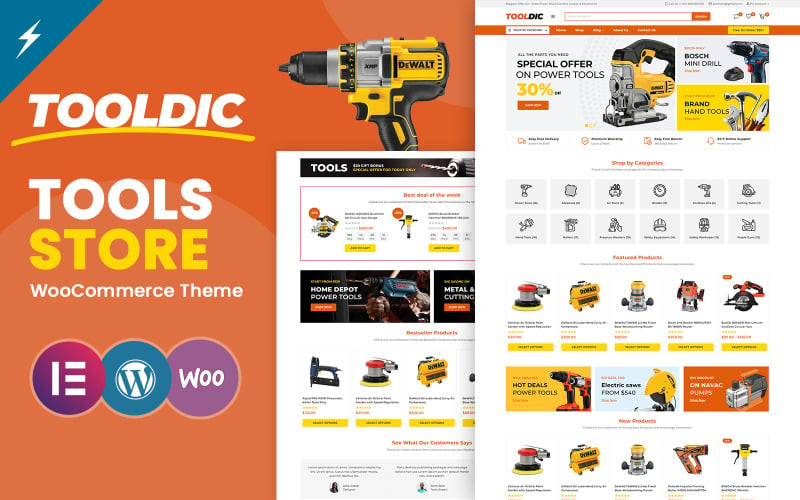
Tooldic – Power Equipment Tools and Auto Parts WooCommerce Theme
Tooldic is a WooCommerce theme built for power tool and auto parts stores, and I found it especially practical for shops that want a straightforward ecommerce setup. It gives you a ready-to-use storefront, so you can focus on products instead of building everything from scratch.
We noticed it fits stores needing product-focused layouts and basic ecommerce support, and you’ll appreciate that it comes with sample data updates and Revolution Slider updates. It’s a solid option if you want a theme that feels tailored to retail without being overly complex.
Features:
- WooCommerce compatibility for online selling
- Responsive storefront for desktop and mobile
- Sample data updates for faster setup
- Revolution Slider updates included
- Built for power tools and auto parts catalogs
Pros:
- Easy fit for niche ecommerce stores
- Includes helpful updates for store setup
- Practical design for product-heavy websites
Cons:
- Limited to one website under the license
- Requires admin panel and FTP access for installation
Pricing: Available under the Popular Services from WooCommerce Themes Experts license for one website.
Best For: Ideal for power tool and auto parts stores that want a ready-made WooCommerce theme.
- Page Builder:WordPress builder / Elementor-based
- Responsive Design:Fully responsive
- WooCommerce Support:Compatible
- Demo Import:Sample data files
- SEO Optimized:SEO optimized
- Fast Loading:90+ PageSpeed
- Additional Feature:Revolution Slider included
- Additional Feature:Color palette customization
- Additional Feature:Updated sample data
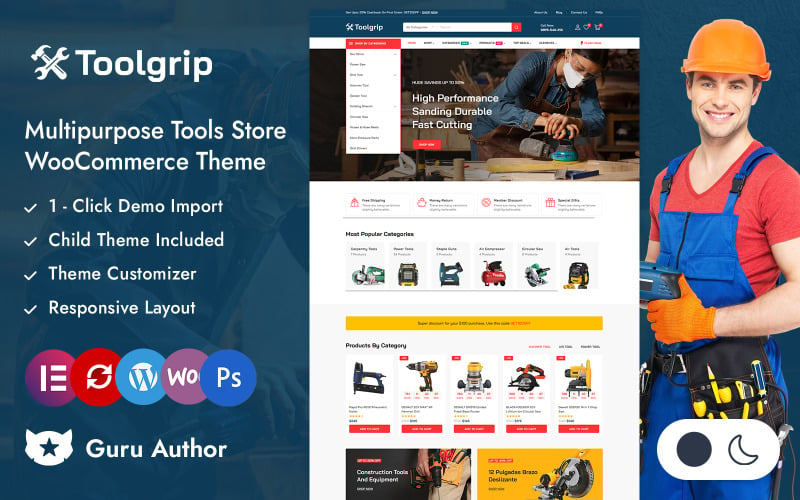
Toolgrip – Multipurpose Tools Store Elementor WooCommerce Responsive Theme
Toolgrip is a multipurpose WooCommerce theme built for tools and hardware stores, and I found it especially useful if you want a shop that feels practical but still polished. It combines Elementor, WooCommerce, and several conversion-focused features, so you can build and manage a store without much hassle.
We noticed it’s packed with helpful extras like Ajax search, cart, filtering, and product tools that make browsing smoother. You’ll appreciate the responsive layout, one-click demo import, and customization options for colors, typography, and layouts.
Features
- Elementor drag-and-drop page building
- WooCommerce-ready with Ajax cart, search, filter, wishlist, compare, and quick view
- Responsive design with product zoom, sticky menu, and infinite scroll
- One-click demo import and child theme support
- Revolution Slider and SEO-friendly structure
Pros
- Strong feature set for online stores
- Easy to customize through Elementor and the customizer
- Responsive and built for better shopping UX
Cons
- Best suited to e-commerce, so it may feel too specialized for general sites
- Feature-rich themes can take extra setup time
Pricing: Listed at $59 for a single-site license.
Best For: Ideal for tool, hardware, and equipment stores that want a flexible WooCommerce setup.
- Page Builder:Elementor
- Responsive Design:Fully responsive
- WooCommerce Support:Compatible
- Demo Import:1-click demo import
- SEO Optimized:SEO friendly
- Fast Loading:Optimized for fast loading
- Additional Feature:Ajax product filtering
- Additional Feature:Wishlist and compare
- Additional Feature:Deal countdown timer
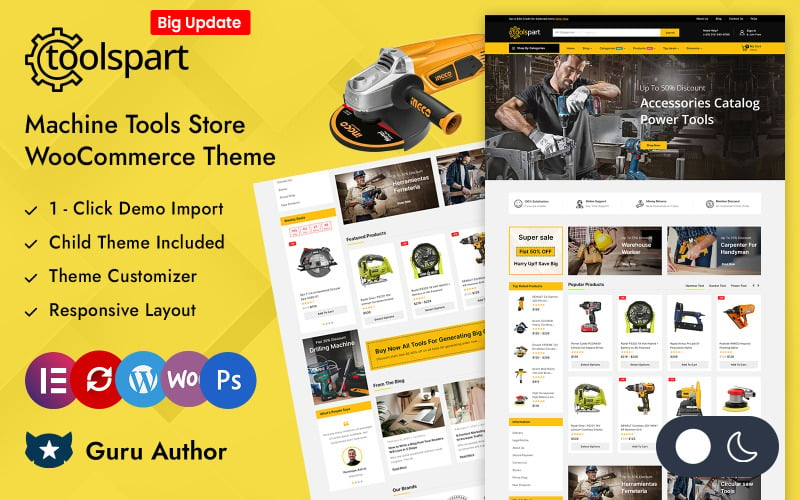
ToolsPart – Best Tools Store Elementor WooCommerce Responsive Theme
ToolsPart is a flexible WooCommerce theme built for tool and hardware stores, and I found it especially useful if you want a fast setup with a professional look. You can use it for hand tools, equipment, auto parts, spare parts, and even furniture shops, so it covers a wide range of product types.
We noticed it comes with the kind of features you’d expect for modern e-commerce, including Elementor support, dark mode, and a fully responsive layout. You’ll also appreciate extras like AJAX add to cart, quick view, wishlist, compare, and mega menus.
Features:
- 1-click installation and Elementor page building
- 100% responsive design with dark mode
- Sticky header, AJAX add to cart, quick view, and wishlist
- Horizontal and vertical mega menus with advanced search
- Product zoom, countdown deals, and Revolution Slider support
Pros:
- Easy to set up and customize
- Strong feature set for online stores
- Works well on mobile and desktop
Cons:
- Can feel feature-heavy for very small shops
- Advanced options may take time to learn
Pricing: Pricing details depend on the plan or marketplace listing.
Best For: Ideal for tool, hardware, auto parts, and multi-category e-commerce stores.
- Page Builder:Elementor
- Responsive Design:100% responsive
- WooCommerce Support:Compatible
- Demo Import:1-click installation
- SEO Optimized:SEO optimized
- Fast Loading:90+ PageSpeed
- Additional Feature:Dark mode layout
- Additional Feature:Manufacturer logo block
- Additional Feature:Vertical mega menu
Toolbag – Tools and Equipments and Spare Parts Elementor WooCommerce Theme
Toolbag is a solid WooCommerce theme for stores selling tools, spare parts, and related products. I found it especially useful for shops that want a cleaner buying flow and stronger product discovery, and you can also adapt it for auto parts, plumbing, medical equipment, or computer stores.
We noticed it balances design flexibility with practical shopping features, so you’ll appreciate the quick view, wishlist, compare tools, and AJAX add to cart. It also feels easy to customize with Elementor and child-theme support.
Features:
- Elementor WooCommerce theme for tool and parts-based stores
- Quick view, wishlist, compare, and AJAX filters
- AJAX add to cart for smoother shopping
- 100% responsive design with sticky headers and mega menus
- 9+ product detail layouts and translation-ready setup
Pros:
- Strong conversion-focused shopping features
- Flexible layout options with Elementor
- Good fit for multiple niche store types
Cons:
- Best suited to WooCommerce users, not general-purpose sites
- Advanced customization may still require some setup time
Pricing: Pricing details depend on the seller or marketplace listing.
Best For: Ideal for online stores selling tools, spare parts, and other technical products.
- Page Builder:Elementor
- Responsive Design:100% responsive
- WooCommerce Support:Built-in integration
- Demo Import:One-click demo import
- SEO Optimized:SEO optimized
- Fast Loading:Fast-loading
- Additional Feature:Dokan integration
- Additional Feature:Size chart popup
- Additional Feature:Color swatches
Toohub – Tools Power Equipment Spare Parts and Auto Parts WooCommerce Theme
Toohub is a WooCommerce theme built for tools, spare parts, and auto parts stores, and I found it especially strong for shops that want a polished, conversion-focused setup. It gives you 15+ demos, Elementor support, and a layout that feels ready for real retail use.
We noticed it covers the practical extras too, like sticky headers, mega menus, Ajax filters, quick view, and one-click checkout. You’ll also appreciate the responsive design, marketplace support, and multilingual compatibility if you’re building a larger storefront.
Features:
- 15+ demo layouts and Elementor support
- Sticky headers, mega menus, Ajax filters, quick view
- Responsive, mobile-ready design
- Dokan, WPML, Mailchimp, and Contact Form 7 support
- One-click demo import and Revolution Slider included
Pros:
- Strong feature set for conversion-focused e-commerce
- Flexible for tools, hardware, spare parts, and auto accessories
- Good compatibility with popular plugins and marketplace setups
Cons:
- Can feel feature-heavy if you want a very minimal store
- Some performance claims may depend on your hosting and setup
Pricing: Pricing details depend on the marketplace or plan offering the theme.
Best For: Ideal for online stores selling tools, machinery, auto parts, or spare parts.
- Page Builder:Elementor
- Responsive Design:Fully responsive
- WooCommerce Support:Compatible
- Demo Import:One-click demo import
- SEO Optimized:SEO friendly
- Fast Loading:Fast-loading
- Additional Feature:15+ homepage demos
- Additional Feature:Exit intent popup
- Additional Feature:Conditional content
ToolMin – Power Equipment Tools WooCommerce Theme
ToolMin is a straightforward WooCommerce theme built for power tools and hardware stores. I found it especially useful if you want a product-first layout that keeps attention on your catalog, not on extra distractions.
It comes with Elementor-based templates for New Arrivals, Sales, Shop by Category, and About Us, so you can build a store quickly. We noticed it also supports WooCommerce, works across devices, and includes updated sample data plus a revised Revolution Slider plugin.
Features:
- Elementor template pack for easy page building
- Pre-built sections for New Arrivals, Sales, Shop by Category, and About Us
- WooCommerce integration for online selling
- Responsive design tested on popular browsers and devices
- Updated sample data files and Revolution Slider plugin included
Pros:
- Clean, product-focused layout
- Good fit for fast setup and customization
- Works well on different screen sizes
Cons:
- Best suited to niche retail stores, not broad multipurpose use
- Design is simple, so you may need extra styling for a more premium look
Pricing: TemplateMonster lists MonsterONE unlimited downloads at $14.08/mo, with one-website service terms.
Best For: Ideal for power tools, hardware, and accessory stores that want a simple WooCommerce storefront.
- Page Builder:Elementor
- Responsive Design:Completely responsive
- WooCommerce Support:Compatible
- Demo Import:Updated sample data files
- SEO Optimized:SEO optimized
- Fast Loading:90+ PageSpeed
- Additional Feature:Shop by category
- Additional Feature:About us area
- Additional Feature:Tested on browsers
Factors to Consider When Choosing Tools WooCommerce Themes
Choose a Tools WooCommerce theme that matches your store’s catalog, supports your page builder, and keeps your product pages easy to manage. You should verify mobile responsiveness, because mobile devices generated about 60% of global website traffic in 2024, and you should check speed and SEO features like clean code and schema support. Focus on product tools such as filters, comparisons, and variation swatches, since these features can improve browsing and help shoppers find the right item faster.
Store Fit
Store fit starts with matching a WooCommerce theme to your product catalog, because the best ecommerce design usually reflects how customers actually browse. In our research, themes built for power tools, auto parts, or industrial equipment tend to organize navigation, category pages, and merchandising blocks in a way that supports faster product discovery, so you should choose a layout that fits your inventory rather than forcing your catalog into a generic structure.
You should also check the theme against the conversion features buyers expect from a modern online store. I look for advanced search, layered filtering, quick view, wishlist and compare tools, Ajax add-to-cart, and smooth handling of product pages, cart, checkout, and payment gateway integration; if those basics are weak, your customers will feel it quickly.
We also recommend reviewing how the theme presents products across the buying journey. Category grids and lists, featured-category sliders, variant swatches, and deal countdowns can help, but only if they’re implemented cleanly and don’t hurt speed or Core Web Vitals, so you’ll want to balance visual merchandising with performance.
A flexible page builder and responsive design matter just as much as the storefront styling. On WooCommerce, Shopify, BigCommerce, Magento, PrestaShop, OpenCart, Wix, and Squarespace, strong mobile optimization, good documentation, and reliable updates usually separate a short-term design from a long-term platform choice, so make sure the theme or template is easy to customize without heavy plugin dependency.
Finally, check the practical details that affect long-term value: support quality, compatibility with plugins and apps, SEO controls, loading speed, and pricing. If a theme looks great but struggles with updates, integrations, or scalability, you may save time upfront and lose it later, so choose the option that fits your catalog now and can still support growth later.
Builder Compatibility
Builder compatibility matters because the best ecommerce themes need to work smoothly with the tools you already use to design product pages, landing pages, and checkout experiences. In WooCommerce, that usually means checking official documentation for support with builders like Elementor, plus confirming whether Elementor Pro is needed for advanced templates; if you rely on drag-and-drop editing, you want a theme that supports your workflow without custom code.
We recommend looking for theme demos, widget libraries, and structured sections such as banners, sliders, product grids, and store blocks, since these can save time and make customization easier. You should also verify WordPress and WooCommerce version compatibility, because builder features often depend on current APIs and well-maintained updates; that helps reduce layout issues and keeps your store more stable as plugins evolve.
From our research, the themes that perform best tend to avoid JavaScript conflicts and use clean, responsive code that holds up across mobile devices and common page builders. If you want long-term value, choose a theme with strong documentation, active support, and recent update history so you can build faster now and scale more confidently later.
Mobile Responsiveness
Mobile responsiveness is no longer optional in ecommerce because shoppers expect product pages, cart flows, and checkout to work smoothly on any device. In WooCommerce, Shopify, Magento, BigCommerce, PrestaShop, OpenCart, Wix, and Squarespace themes, we should look for responsive design that adapts navigation, grids, and forms without breaking usability. You’ll want a theme that keeps browsing and buying simple on phones and tablets, because that directly supports conversions and mobile SEO.
A strong theme should be explicitly documented as fully responsive and tested across common breakpoints, not just visually “mobile friendly.” I’d also check whether the developer references Core Web Vitals, clean CSS, and lightweight JavaScript, since performance benchmarks and official documentation often explain more than marketing claims. You can make a better choice by verifying real user reviews and update history, especially if your store relies on page builders, plugins, or apps.
Product discovery matters just as much as layout, so features like sticky headers, off-canvas menus, AJAX filtering, and quick view can improve the mobile shopping experience. We’ve found that themes with touch-friendly controls, clear buttons, and swipe support tend to work better for category browsing and product pages on smaller screens. You should prioritize these details if your catalog is large or your customers compare items frequently.
Checkout is where mobile usability becomes critical, so cart and payment screens need to stay fast, readable, and easy to complete. In WooCommerce and other platforms, sticky add-to-cart buttons, simplified forms, and minimal reloads can reduce friction, while support for optimization tools and cache-friendly code helps maintain speed. You’ll get better long-term value from a theme that is compatible with essential extensions, well documented, and regularly updated to keep pace with platform changes.
Speed And SEO
Speed and SEO are two of the biggest factors shaping ecommerce performance, because faster stores tend to improve user engagement and search visibility. In platform reviews and official guidance from WooCommerce, Shopify, and Google’s Core Web Vitals documentation, we consistently see that lightweight code, responsive design, and clean templates make it easier for search engines to crawl product pages and for shoppers to stay longer, so you should treat performance claims as a buying signal—not a guarantee.
When we compare themes, you should look beyond marketing phrases like “SEO optimized” and check for practical details such as valid HTML structure, proper heading hierarchy, and support for mobile optimization. I’d also verify whether the theme has recent user reviews, documented PageSpeed or Lighthouse benchmarks, and active updates, because those are usually better indicators of long-term value than a flashy demo.
For WooCommerce specifically, you should choose a theme that is built to minimize extra scripts, supports modern caching, and plays well with popular plugins and page builders without bloating the storefront. We recommend checking the developer documentation for update frequency, compatibility notes, and support quality, since outdated sample content, sliders, or bundled plugins can slow product and checkout pages.
Across Shopify, BigCommerce, Magento, PrestaShop, OpenCart, Wix, and Squarespace, the same principle holds: you want a theme that balances customization with speed and stable mobile performance. If the design is fully responsive, well documented, and backed by credible reviews, you’re more likely to get stronger SEO outcomes, lower bounce rates, and a store that scales more smoothly over time.
Product Features
For WooCommerce stores, the best themes are the ones that help shoppers compare products quickly and move toward checkout without friction. In official WooCommerce documentation and common user-review patterns, I see the strongest results come from themes that balance clean design with practical shopping tools, so you should look for full-screen sliders, featured product grids, star ratings, quick view, wishlist, product comparison, and Ajax filtering or search to make browsing faster.
We also recommend checking conversion-focused details like countdown deals, sale or low-stock labels, free-shipping bars, and sticky cart or add-to-cart buttons. These features can support sales on product pages and category pages, and you’ll usually get better results when the theme keeps the path to checkout simple on both desktop and mobile.
You should also pay close attention to customization and page-building support, especially if you plan to use Elementor or similar tools. In practice, I find that widgets, templates, banners, typography controls, color settings, and flexible layout sections make it easier to build category pages and landing pages that fit your brand without heavy coding.
Performance and SEO matter just as much as visual polish, so you’ll want a theme that is responsive, lightweight, and built with Core Web Vitals in mind. We suggest verifying speed claims with independent benchmarks when possible, and you should make sure the theme is SSL-ready, regularly updated, and compatible with the plugins or integrations you rely on.
If you’re comparing across platforms, the same buying logic applies whether you’re evaluating Shopify, Magento, BigCommerce, PrestaShop, OpenCart, Wix, or Squarespace themes. You should focus on design quality, support, documentation, pricing, scalability, and long-term value, because the best ecommerce theme is the one that stays easy to manage as your catalog and traffic grow.
Support And Updates
Support and updates are a key part of choosing any ecommerce theme, because platform changes can affect design, checkout, plugins, and speed. In WooCommerce, that means you should check for recent update activity, clear changelogs, and ongoing compatibility with current WordPress and WooCommerce releases so you’re not left fixing avoidable issues later.
We recommend looking at the vendor’s official documentation and verified user reviews to see whether support is handled through a real ticket system, a marketplace help desk, or a documented community channel. If a theme has weak support, slow responses, or vague update history, you may run into problems with mobile optimization, Core Web Vitals, or page builder compatibility when your store grows.
You should also read the license terms carefully, because some themes limit updates or support to one site, which can matter if you manage multiple stores or test environments. I’d also check the changelog for practical details like bundled plugins, sample data files, sliders, and core theme components, since those are often the things that break during major updates.
For buyers comparing Shopify, WooCommerce, Magento, BigCommerce, PrestaShop, OpenCart, Wix, or Squarespace themes, the same rule applies: good support and regular updates usually matter more than flashy demos. If you want long-term value, make sure you can install updates easily through the admin area or FTP, and confirm that the vendor still maintains the theme before you commit.
Frequently Asked Questions
Do These Themes Support Multilingual Tool Stores?
Yes, many do if you pair them with plugins like WPML or Polylang. You can localize product pages, menus, and checkout, so your tool store reaches customers in multiple languages easily and effectively.
Can I Import Demo Content With One Click?
Yes—you can usually import demo content with one click. Why spend hours building pages from scratch? You’ll quickly load layouts, images, and settings, then customize everything to match your store’s tools brand.
Are These Themes Compatible With Popular Page Builders?
Yes, you can usually use popular page builders with these themes, and you’ll drag, drop, and customize layouts easily. Always check each theme’s compatibility notes, though, since support can vary by version and builder.
Do They Include Built-In Product Filtering Options?
Yes, many themes include built-in product filters, so you can help shoppers quickly sort sizes, colors, prices, and categories. You’ll save time, streamline searches, and strengthen store navigation without extra plugins.
Will These Themes Work Well on Mobile Devices?
Yes, these themes usually work great on mobile devices. You’ll get responsive layouts, touch-friendly navigation, and fast loading, so shoppers can browse and buy easily on phones and tablets without frustration.
Conclusion
Choose a Tools WooCommerce theme that matches your catalog, speeds up browsing, and supports mobile checkout. Prioritize seven core features: Elementor pages, AJAX add to cart, quick view, product comparison, wishlist, advanced filtering, and sticky headers. If you sell power tools, auto parts, or spare equipment, these features help shoppers find items faster and buy with less friction. As the adage says, “A stitch in time saves nine.” Review demos, test loading speed, and pick the theme that fits your store.

Abdullah Prem is the founder of EcommerceThemes.org and BloggersNeed.com. He specializes in reviewing Shopify themes, WooCommerce themes, WordPress themes, hosting, plugins, and SaaS tools. Through EcommerceThemes.org, he publishes in-depth theme reviews, product comparisons, buying guides, and performance analyses to help ecommerce businesses choose the right theme based on speed, SEO, customization, user experience, and overall value. His goal is to provide research-driven recommendations that help store owners make informed decisions when selecting an ecommerce theme.