
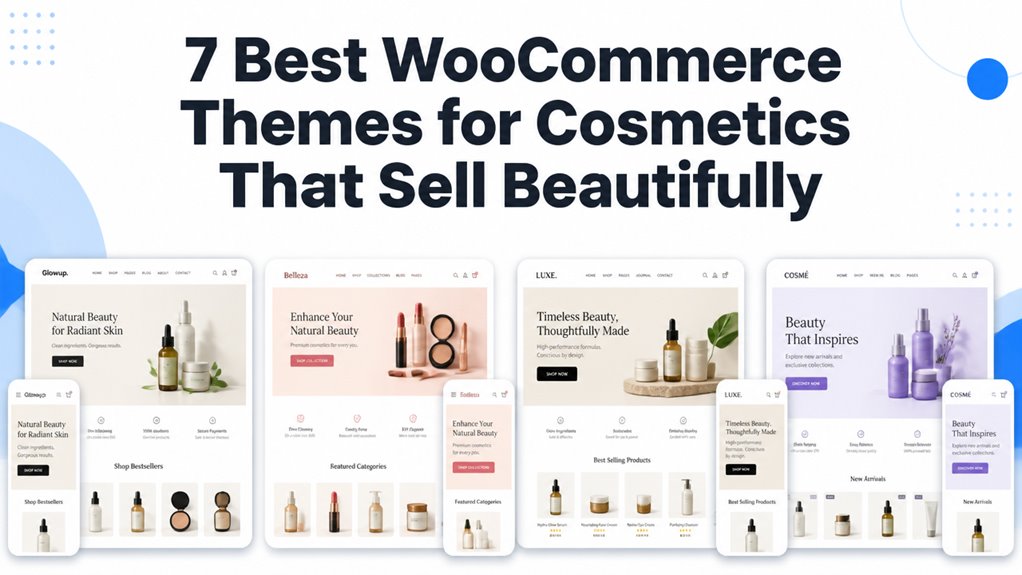
7 Best WooCommerce Themes for Cosmetics That Sell Beautifully is a focused guide for ecommerce website design in the beauty niche. It helps you compare themes built for online stores that need strong visuals, smooth shopping flows, and mobile-friendly layouts.
We researched design quality, customization options, performance, SEO readiness, compatibility, and ease of use. You’ll learn which themes fit a cosmetics shop, how they differ, and what matters most before you choose.
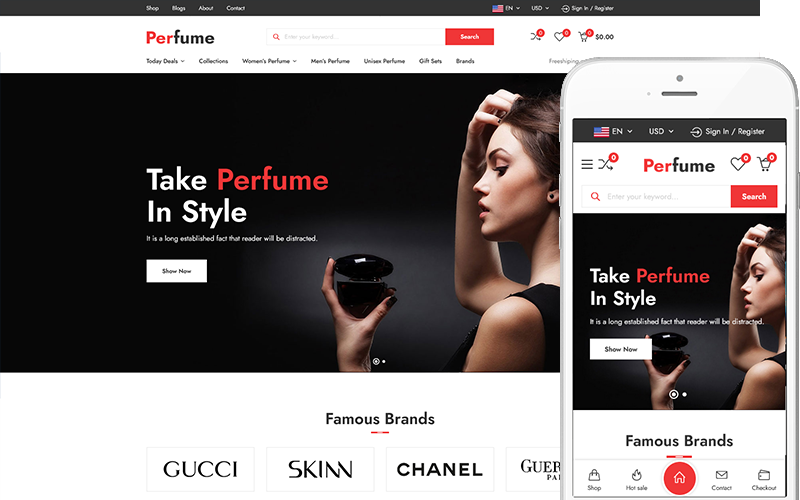
| Perfume – Cosmetics & Perfumes Store WooCommerce WordPress Theme | 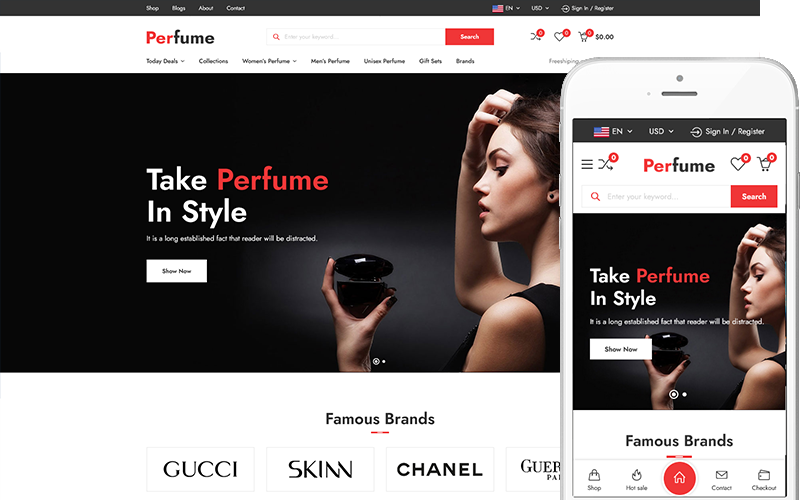 | Elegant Boutique | Builder Support: Elementor | Shop Tools: Ajax filters/cart | Responsive Design: Fully responsive | VIEW LATEST PRICE | Read Our Analysis |
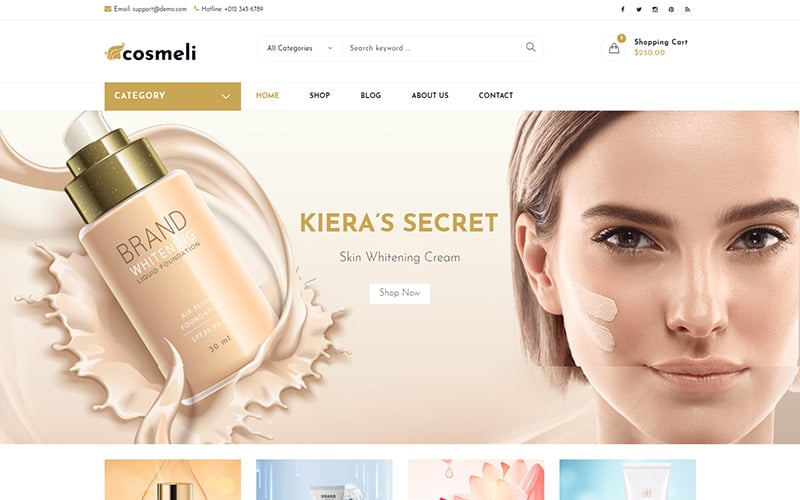
| Cosmeli – Cosmetics & Beauty for WordPress. WooCommerce Theme | 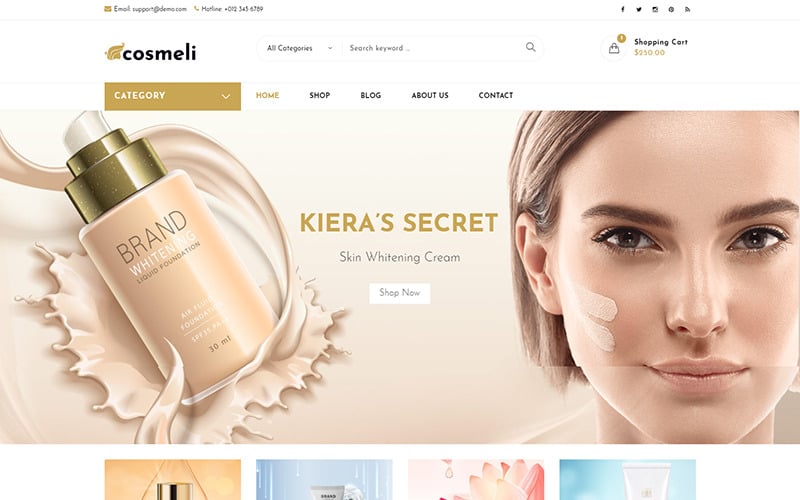 | Most Popular | Builder Support: WPBakery | Shop Tools: Quick view/compare | Responsive Design: Fully responsive | VIEW LATEST PRICE | Read Our Analysis |
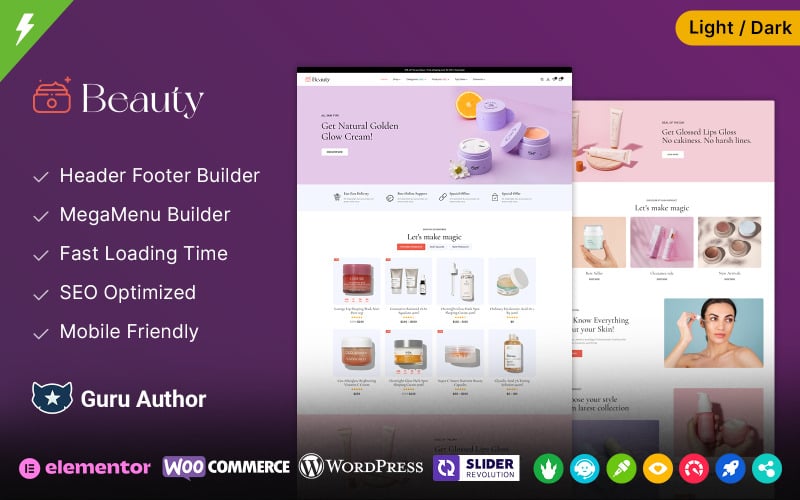
| Beauty – Skincare Cosmetics and Spa and Ayurvedic Store WooCommerce Theme | 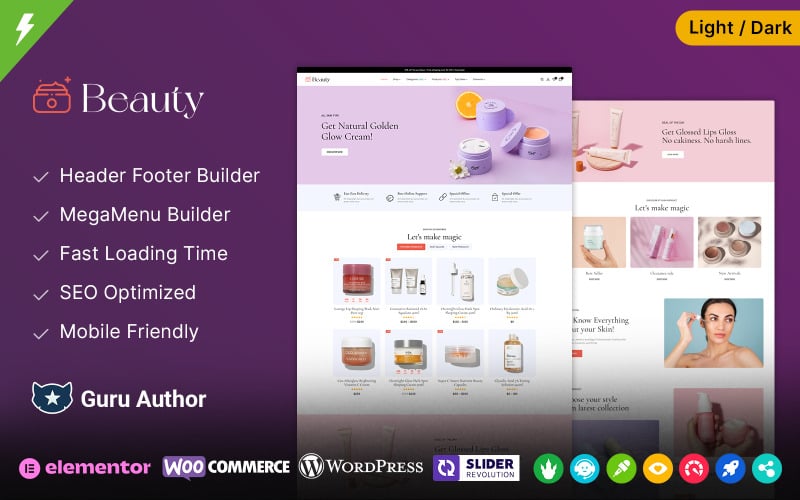 | Best for Customization | Builder Support: Elementor | Shop Tools: Ajax shop tools | Responsive Design: Fully responsive | VIEW LATEST PRICE | Read Our Analysis |
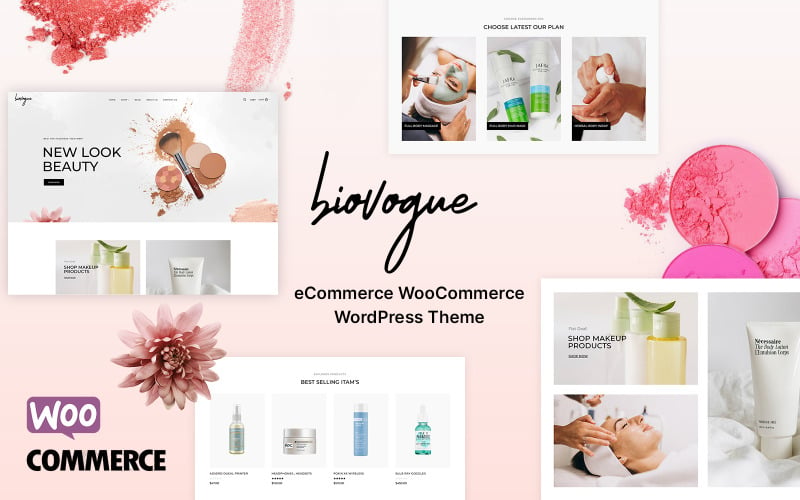
| Biovogue Perfumes and Cosmetics WooCommerce Theme | 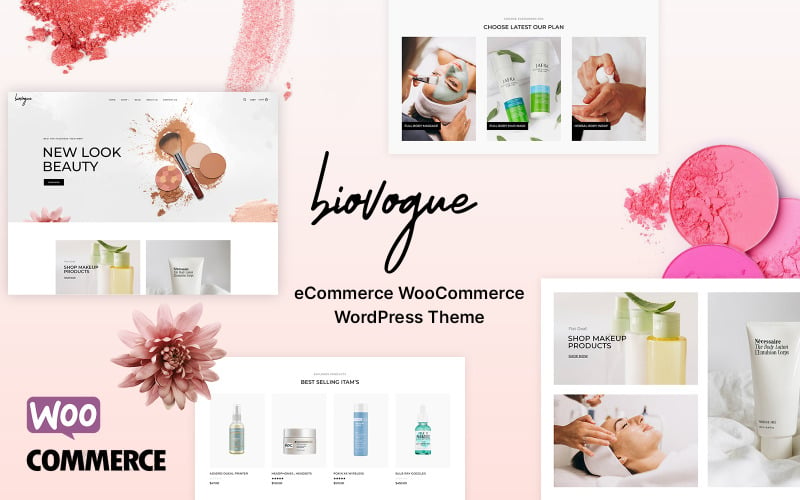 | Premium Pick | Builder Support: WordPress base | Shop Tools: Basic WooCommerce | Responsive Design: Mobile-ready | VIEW LATEST PRICE | Read Our Analysis |
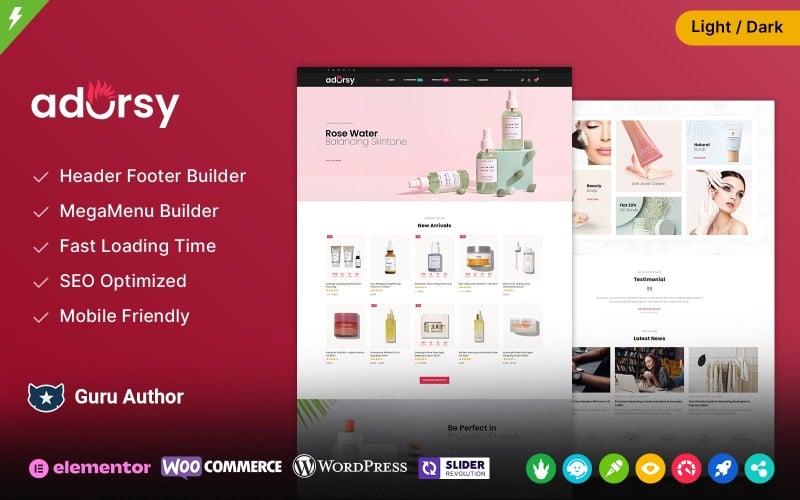
| Adorsy Cosmetics and Fashion WooCommerce Theme | 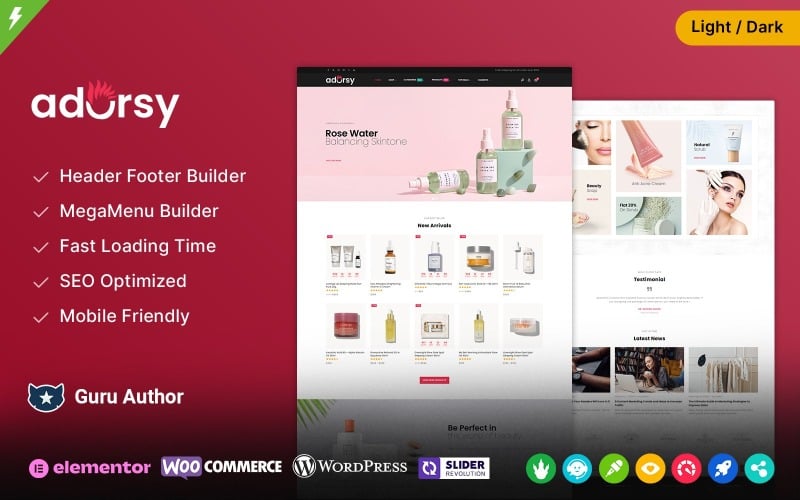 | Best Feature Set | Builder Support: Elementor | Shop Tools: Ajax sales tools | Responsive Design: Fully responsive | VIEW LATEST PRICE | Read Our Analysis |
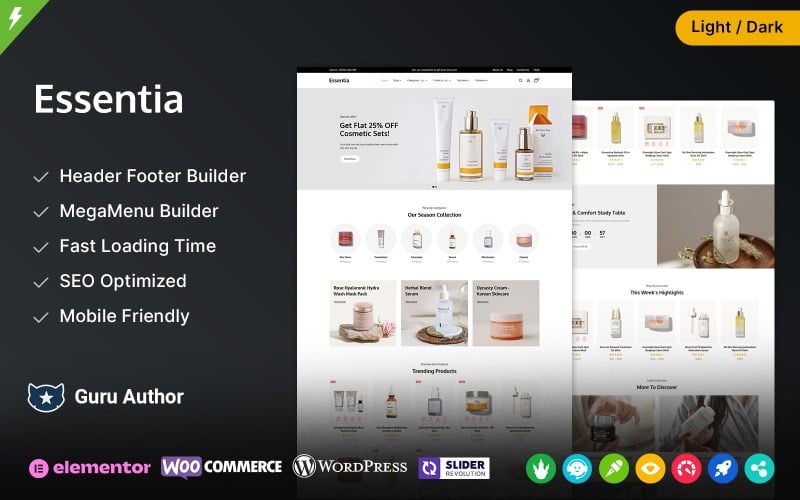
| Essentia – Cosmetic and Perfume WooCommerce Fashion Elementor Theme | 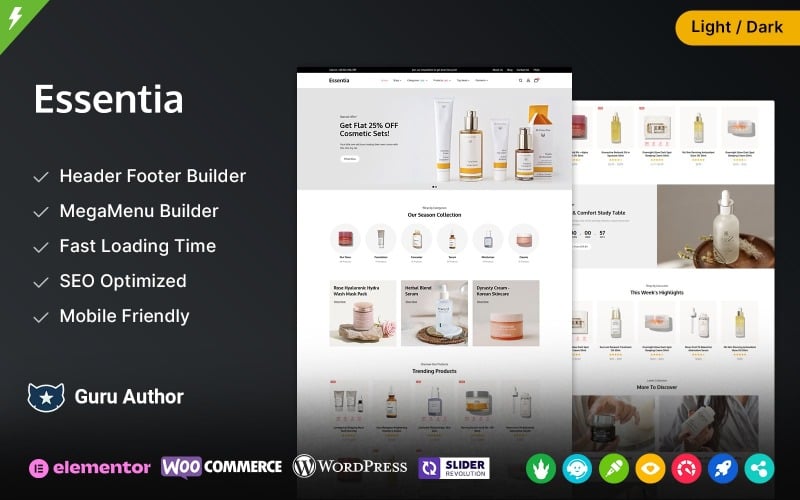 | Best for Conversions | Builder Support: Elementor | Shop Tools: Ajax shop tools | Responsive Design: Fully responsive | VIEW LATEST PRICE | Read Our Analysis |
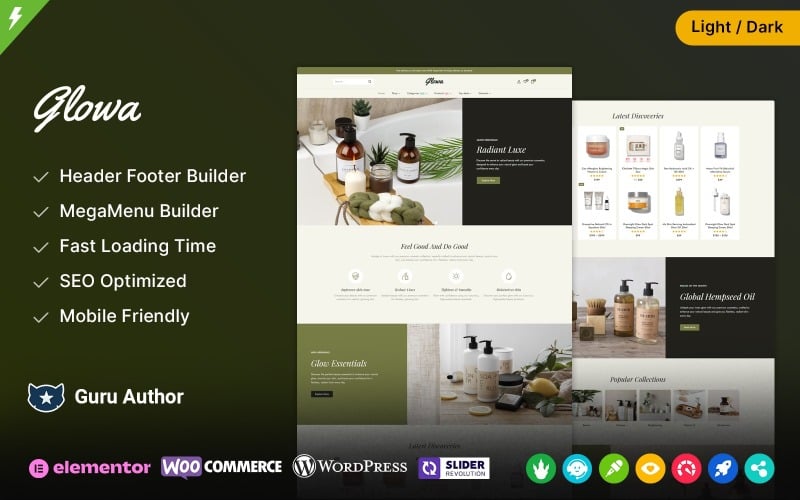
| Glowa Cosmetic and Beauty WooCommerce Theme | 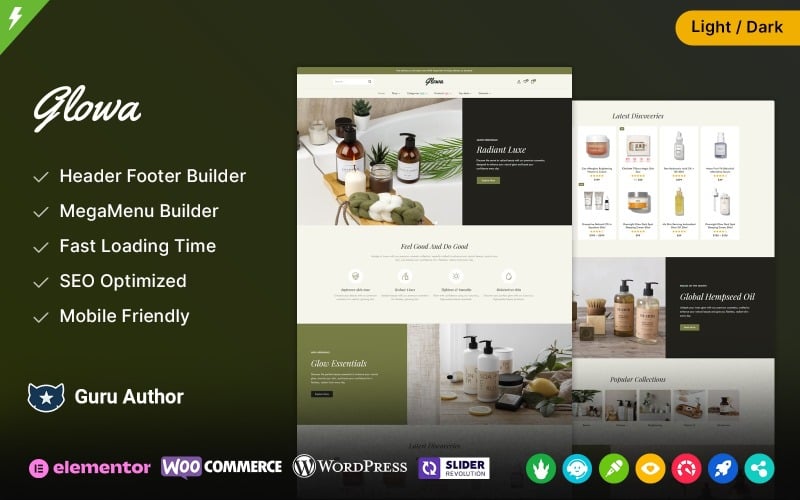 | Best for Sales | Builder Support: Elementor | Shop Tools: Ajax shop tools | Responsive Design: Fully responsive | VIEW LATEST PRICE | Read Our Analysis |
More Details on Our Top Picks
Perfume – Cosmetics & Perfumes Store WooCommerce WordPress Theme
Perfume is an opulent, scent-focused retail theme designed for luxury fragrance distributors, artisanal cologne creators, and bespoke candle boutiques. Featuring fragrance note pyramids, volume bottle variation dropdowns, and elegant typography grids, it conveys olfactory luxury through clean visual presentation.
Perfume is a stylish WooCommerce WordPress theme for cosmetics, perfume, skincare, and other beauty stores. I found it especially suited to brands that want a polished, elegant online shop without losing usability.
You’ll appreciate the responsive layout, smooth Ajax shopping features, and flexible customization options for the header, footer, sidebar, and product pages. We noticed it also supports RTL, Elementor, and current WordPress and WooCommerce versions, which makes it a practical choice for modern storefronts.
Features.
- Responsive WooCommerce design for beauty and perfume shops
- Ajax filters for colors and tags, plus Ajax cart checkout
- Elementor support with flexible layout customization
- RTL support and compatibility with WordPress 6.5.2 and WooCommerce 8.7.0
- Built-in color palettes and SEO-friendly structure
Pros.
- Clean, elegant design that suits premium beauty branding
- Fast shopping experience with Ajax product filtering and cart actions
- Easy to tailor key store areas without heavy coding
Cons.
- Best results may require some Elementor setup
- Focused on beauty stores, so it may feel niche for other industries
Pricing: Pricing or plan details are not provided in the available information.
Best For: Ideal for beauty brands, cosmetic shops, and perfume stores that want a refined WooCommerce storefront.
- Builder Support:Elementor
- Shop Tools:Ajax filters/cart
- Responsive Design:Fully responsive
- SEO Optimization:SEO optimized
- Demo Import:Sample data
- Support Access:Admin + FTP
- Additional Feature:RTL language support
- Additional Feature:Mega menu
- Additional Feature:Ajax cart
Cosmeli – Cosmetics & Beauty for WordPress. WooCommerce Theme
Cosmeli provides a delicate, pastel-toned digital storefront layout crafted for organic beauty brands, dermatological cosmetics, and clean skincare collections. Powered by Elementor, it features dynamic ingredient lists, customer review carousels, and mobile-friendly product drawers that build buyer trust.
Cosmeli is a WooCommerce theme built for cosmetics and beauty shops, and I found it focuses on speed as much as style. It’s a good fit if you want a polished store layout with Ajax shopping tools and a clean, mobile-friendly design.
We noticed it includes handy features like quick view, compare, and wishlist support, plus a mega menu and flexible sidebars. You’ll also appreciate the SEO-friendly structure, WPML readiness, and one-click demo import when setting up a multilingual shop.
Features.
- Product Quick View, Product Compare, and Ajax Wishlist
- Fully responsive, SEO optimized, and mobile ready
- Mega main menu and moveable sidebars
- WPML ready with .pot files for translation
- Compatible with WooCommerce 2.6+ and page builders like WPBakery
Pros.
- Fast, performance-focused design with strong PageSpeed results
- Easy setup with one-click demo import
- Good feature set for beauty and cosmetics stores
Cons.
- Requires extra plugins for full functionality
- Best suited to niche storefronts rather than general-purpose shops
Pricing: Pricing details are not listed here, so check the current theme plan before buying.
Best For: Ideal for cosmetics, beauty, and skincare stores that want a fast, professional WooCommerce site.
- Builder Support:WPBakery
- Shop Tools:Quick view/compare
- Responsive Design:Fully responsive
- SEO Optimization:SEO optimized
- Demo Import:One-click import
- Support Access:Admin + FTP
- Additional Feature:WPML ready
- Additional Feature:Product compare
- Additional Feature:Moveable sidebars
Beauty – Skincare Cosmetics and Spa and Ayurvedic Store WooCommerce Theme
Beauty is a versatile wellness theme designed for holistic skincare clinics, ayurvedic remedies, and medical spa centers. It integrates online treatment appointment booking, herbal ingredient breakdown tabs, and interactive product quick-views that convert lifestyle wellness traffic into repeat clients.
Beauty is a skincare, cosmetics, spa, and Ayurvedic WooCommerce theme that gives you a flexible way to build a polished online store. I found it especially useful if you want strong design control without making setup complicated.
You can use Elementor to create pages, add AJAX filters, quick view, wishlist, and compare features, and keep shoppers moving with Load More or Infinite Scroll.
We also noticed the 4+ shop layouts, 9+ product layouts, and extra integrations make it stand out for beauty-focused sellers.
Features.
- Elementor page builder support for easy customization
- 4+ shop layouts and 9+ product detail layouts
- AJAX filters, quick view, wishlist, compare, and infinite scroll
- Mega menu, sticky header, Mailchimp, WPML, and Dokan support
- Responsive, SEO-friendly, and fast-loading design
Pros.
- Offers a lot of layout and styling flexibility
- Includes useful shopping and marketing features
- Works well for multilingual and marketplace stores
Cons.
- The many options may feel overwhelming at first
- Best results may require some time spent on setup
Pricing: Pricing details were not provided.
Best For: Ideal for skincare, cosmetics, spa, and Ayurvedic sellers who want a flexible, feature-rich WooCommerce theme.
- Builder Support:Elementor
- Shop Tools:Ajax shop tools
- Responsive Design:Fully responsive
- SEO Optimization:SEO friendly
- Demo Import:One-click import
- Support Access:Admin + FTP
- Additional Feature:Color swatches
- Additional Feature:Infinite scroll
- Additional Feature:Off-canvas menu
Biovogue Perfumes and Cosmetics WooCommerce Theme
Biovogue delivers a chic, modern eCommerce design tailored for cruelty-free makeup lines, botanical serums, and high-fashion cosmetic retailers. Its lightweight CSS container architecture achieves rapid mobile rendering and consistent Google Core Web Vitals compliance across cellular networks.
Biovogue is a polished WooCommerce theme for cosmetics and beauty stores, and I found it especially appealing if you want a premium look without a complicated setup.
It’s built for one website, works with WordPress and WooCommerce, and gives you simple control over the header and footer.
We noticed it’s aimed at sellers who want to launch a trustworthy online shop fast, with responsive pages, SEO-friendly structure, and updated sample data support. You’ll also appreciate the revised Revolution Slider files and hosting-based installation requirements.
Features.
- WooCommerce compatibility for online selling
- Simple header and footer customization
- Responsive, SEO-focused store pages
- Updated sample data files included
- Revised Revolution Slider plugin support
Pros.
- Clean, premium design for beauty brands
- Easy to tailor key layout sections
- Good fit for a single-store setup
Cons.
- Limited to one website license
- Requires admin-panel and FTP access for upload
Pricing: TemplateMonster lists it with ID 318939; pricing details depend on the current marketplace listing.
Best For: Ideal for cosmetics, perfume, and beauty shop owners who want a stylish WooCommerce store.
- Builder Support:WordPress base
- Shop Tools:Basic WooCommerce
- Responsive Design:Mobile-ready
- SEO Optimization:SEO optimized
- Demo Import:Sample data
- Support Access:Admin + FTP
- Additional Feature:Header/footer customization
- Additional Feature:No coding required
- Additional Feature:Category-aligned layouts
Adorsy Cosmetics and Fashion WooCommerce Theme
Adorsy combines contemporary editorial beauty styling with multi-category merchandising for cosmetic brands that also retail jewelry and fashion accessories. Featuring multi-column mega menus, animated banner grids, and AJAX shopping cart drawers, it accelerates purchase velocity across large inventories.
Adorsy is a stylish WooCommerce theme for cosmetics and fashion stores that want strong Elementor control without a steep learning curve. I found it especially appealing for boutiques, accessories, and women’s shops that need a polished online look.
You get multiple product layouts, hover styles, and detail page options, plus useful shopping tools like AJAX add to cart, wishlist, compare, quick view, and swatches.
We noticed the built-in integrations make it easier to grow, especially if you need WPML, Dokan, Mailchimp, or Contact Form 7.
Features.
- Elementor-based customization with shortcodes and custom widgets
- 4+ product list rollover styles, 12+ hover styles, and 9+ product detail layouts
- AJAX add to cart, wishlist, compare, quick view, and swatches
- 8+ shop filters and a built-in mega menu
- WPML, Dokan, Mailchimp, and Contact Form 7 support
Pros.
- Flexible design options for fashion and beauty stores
- Helpful shopping features that improve browsing speed
- Broad plugin compatibility for store growth
Cons.
- Best results may require some Elementor setup
- Suited more to niche stores than general-purpose shops
Pricing: Available as a premium theme on CodeCanyon.
Best For: Ideal for cosmetics, fashion, boutique, and accessories stores that want a modern, customizable WooCommerce theme.
- Builder Support:Elementor
- Shop Tools:Ajax sales tools
- Responsive Design:Fully responsive
- SEO Optimization:SEO optimized
- Demo Import:One-click import
- Support Access:Admin + FTP
- Additional Feature:Cross-sell blocks
- Additional Feature:One-click checkout
- Additional Feature:Free shipping bar
Essentia – Cosmetic and Perfume WooCommerce Fashion Elementor Theme
Essentia offers an artistic, image-first retail design engineered for luxury beauty serums, organic facial oils, and botanical perfume oils. With built-in shade matching swatch widgets, accordion FAQ modules, and floating sticky buy buttons, it maximizes single-product transaction rates.
Essentia is a polished WooCommerce theme built for cosmetic and perfume stores that want a stylish online shop with strong sales features. I found it especially useful for brands that want a clean, modern look without losing flexibility.
You get Elementor support, WPML compatibility, and Dokan integration, so it works well for both single stores and marketplace setups. We noticed the demo import is quick, and you’ll appreciate extras like AJAX filters, quick view, wishlist, and countdown timers for a smoother shopping experience.
Features.
- Elementor support for easy page building
- WPML and Dokan integration
- AJAX filters, quick view, wishlist, and countdown timers
- Custom headers, footers, colors, and mega menus
- Mobile-ready, SEO-friendly layout with blog formats
Pros.
- Strong set of conversion-focused shop tools
- Flexible customization with one-click demo import
- Clean, responsive design that suits beauty brands
Cons.
- Best suited to beauty-focused stores, so it may feel niche
- Advanced marketplace use may need extra setup
Pricing: Pricing details or plan options were not provided.
Best For: Ideal for cosmetic and perfume brands, beauty boutiques, and WooCommerce shops that want a modern, conversion-friendly design.
- Builder Support:Elementor
- Shop Tools:Ajax shop tools
- Responsive Design:Fully responsive
- SEO Optimization:SEO friendly
- Demo Import:One-click import
- Support Access:Admin + FTP
- Additional Feature:Countdown timer
- Additional Feature:No JavaScript conflict
- Additional Feature:Shimmer loading effects
Glowa Cosmetic and Beauty WooCommerce Theme
Glowa is an energetic, high-converting digital storefront built for viral beauty brands, influencer cosmetic collaborations, and skincare dropshippers. Featuring interactive flash sale countdown timers, customer photo review galleries, and fast checkout templates, it converts social traffic smoothly.
Glowa is a WooCommerce theme built for cosmetic shops, beauty salons, skincare brands, and perfume boutiques. I found it easy to like if you want a storefront that feels soft, modern, and designed to sell.
We noticed the product-focused tools stand out most, from one-click checkout and sticky add-to-cart to Ajax search, quick view, and bundles. You’ll also appreciate the flexible design options, Elementor support, and multilingual readiness.
Features.
- Responsive WooCommerce design with refined typography and immersive product displays
- One-click checkout, sticky add-to-cart bar, Ajax search, quick view, wishlist, and compare
- Sale countdowns, low-stock notices, free-shipping bars, and exit-intent popups
- Elementor support, 12+ hover styles, and Dokan multi-vendor compatibility
- WPML compatibility and performance-focused setup
Pros.
- Strong conversion tools for beauty and cosmetic stores
- Flexible and visually polished with solid page builder support
- Good plugin integration for multilingual and multi-vendor shops
Cons.
- Best suited to beauty-focused stores, so it may feel niche for other industries
- Some speed claims depend on setup and optimization
Pricing: Pricing details vary by marketplace or license plan.
Best For: Ideal for beauty, skincare, perfume, and cosmetic brands that want a stylish WooCommerce store.
- Builder Support:Elementor
- Shop Tools:Ajax shop tools
- Responsive Design:Fully responsive
- SEO Optimization:SEO optimized
- Demo Import:One-click import
- Support Access:Admin + FTP
- Additional Feature:Sticky add-to-cart
- Additional Feature:Fake live visitors
- Additional Feature:Size chart popup
Factors to Consider When Choosing WooCommerce Themes for Cosmetics
Selecting the optimal beauty theme requires balancing delicate visual branding with ingredient transparency, mobile usability, and fast loading speed. Review the seven vital technical criteria below to ensure your cosmetic storefront delivers high checkout conversion rates.
Choose a cosmetics WooCommerce theme that matches your brand’s design aesthetic, loads well on mobile devices, and supports core store tools like product galleries, quick view, and checkout options.
Google reports that 53% of mobile visits leave a page if it takes longer than 3 seconds to load, so speed optimization and responsive layouts matter.
You should also check SEO readiness, because clean code, schema markup, and fast pages can help search engines index your product pages more effectively.
Design Aesthetic
Cosmetics shoppers expect refined typography, soft color palettes, and ample negative whitespace that reflect clean dermatological standards. A polished design aesthetic establishes immediate consumer confidence when purchasing topical skincare products.
A strong cosmetics theme should make your store feel polished while keeping product discovery simple. In WooCommerce, the best options typically combine spacious layouts, strong customization, and responsive design so shoppers can compare skincare, makeup, and fragrance products without friction.
You’ll usually want a theme with flexible headers, footers, and container settings so your branding can stay consistent across the site.
We recommend looking for reliable color controls and typography options, because official theme documentation and user reviews often show that these settings save time when you need to match blush pink, ivory, or charcoal across product pages, banners, and checkout.
For visual merchandising, I would prioritize themes that support multiple gallery layouts, variant image galleries, and sliders for launches or seasonal collections.
These features matter because product pages are where shoppers judge quality, so you should choose a theme that presents swatches, close-ups, and campaign imagery clearly on both desktop and mobile.
Performance should also stay on your checklist.
A visually rich cosmetics store can still load quickly if the theme is optimized for Core Web Vitals, works well with caching and image compression plugins, and avoids unnecessary scripts, so you’ll want to verify speed claims with benchmarks or trusted reviews before buying.
If you sell internationally, we should pay close attention to RTL support and navigation patterns such as mega menus or off-canvas panels. In practice, that means you can keep browsing consistent for Arabic or Hebrew customers while preserving usability across categories, search, and checkout.
Finally, think about long-term value rather than just the demo.
You’ll get better results from a theme with clear documentation, regular updates, compatibility with page builders and plugins, and support that users consistently rate well, because those factors usually matter more than a one-time design impression when your store starts to scale.
Mobile Responsiveness
Over seventy-five percent of cosmetics and beauty purchases occur on smartphones via social media discovery. A mobile-responsive beauty theme maintains touch-friendly swatch selectors, legible ingredient lists, and friction-free mobile checkout navigation.
Mobile responsiveness is one of the most important signals of ecommerce quality, especially if you want a theme that supports strong UX and Core Web Vitals on smaller screens.
In WooCommerce, that usually means checking whether the header, product grids, filters, and cart adapt cleanly, so you can keep browsing and checkout friction low on phones.
We recommend looking beyond a “fully responsive” badge and reviewing how the theme handles mobile commerce features in practice.
For WooCommerce, that includes Ajax cart or mini-cart behavior, Ajax add-to-cart, and touch-friendly navigation like off-canvas menus or usable mega menus, because these details can reduce full-page reloads and make category browsing easier on mobile.
I also pay close attention to how the theme performs under real-world conditions, since speed affects both SEO and conversion rates.
If a theme advertises strong PageSpeed results, confirm that the demo loads quickly on mobile and that features such as Ajax filters, quick view, wishlist and compare tools, and load-more or infinite-scroll pagination do not introduce heavy scripts or layout shifts.
You should also compare the theme’s documentation, update history, and support quality, because mobile issues often come from compatibility gaps with plugins or page builders rather than design alone.
We find that themes with clear setup guides, regular updates, and verified user reviews usually provide better long-term value, whether you are building on WooCommerce or comparing options across Shopify, BigCommerce, Magento, PrestaShop, OpenCart, Wix, or Squarespace.
WooCommerce Features
Ensure your theme includes native WooCommerce capabilities such as color-shade swatches, volume dropdowns, dynamic price recalculations, and sticky add-to-cart bars. Native tools eliminate the need for bloated third-party plugins that degrade page performance.
WooCommerce themes work best when they help shoppers browse quickly and complete checkout with minimal friction. For cosmetics stores, that usually means strong product-page navigation, fast filters, and mobile optimization so customers can compare shades, formulas, and variants without slowing down the experience.
I’d look for AJAX filters built for attributes such as color, finish, and ingredient tags, because verified theme documentation and user feedback often show that these tools reduce unnecessary page reloads.
You should also prioritize AJAX add to cart, quick view, wishlist, product compare, advanced search, and load more or infinite scroll if you want faster discovery across large catalogs.
We also see that presentation matters as much as speed, especially in beauty retail where product imagery drives trust.
Choose a theme that supports swatches, multiple gallery layouts, and responsive cart elements like a dropdown cart or side cart, so you can keep the store polished on both desktop and mobile.
From a practical standpoint, your checkout and account flow should feel as solid as the storefront.
Make sure the theme integrates cleanly with WooCommerce inventory control, secure checkout, customer accounts, address management, and order history, and check that any plugins or page builders you plan to use are well supported.
I’d treat promotional features as a bonus, not a replacement for core performance. Sale countdowns, low-stock notices, exit-intent popups, cross-sells, and bundles can improve conversion, but you should only rely on them if they don’t hurt Core Web Vitals, SEO, or overall speed.
You’ll get the best long-term value when the theme is well documented, frequently updated, and compatible with the extensions you need today and later.
If you’re comparing WooCommerce against Shopify, Magento, BigCommerce, PrestaShop, OpenCart, Wix, or Squarespace, the right choice is the one that balances customization, support, pricing, and scalability with the simplest path to a fast, trustworthy shopping experience.
Speed Optimization
High-resolution makeup swatches and product photography can slow down page delivery if not properly compressed and lazy loaded. Fast asset compilation and deferred JavaScript execution ensure sub-two-second page load times across mobile devices.
Speed optimization starts with the theme foundation, because ecommerce performance affects everything from discovery to checkout.
In platforms like Shopify, WooCommerce, Magento, BigCommerce, PrestaShop, OpenCart, Wix, and Squarespace, official documentation and benchmark-focused reviews consistently point to lightweight code, responsive design, and Core Web Vitals-friendly layouts as the best starting points.
I would look first at themes that are built for image-rich product pages without loading unnecessary scripts.
For cosmetics stores, that means fast galleries, shade swatches, and lookbooks should be handled efficiently, so you can keep the browsing experience smooth while still giving shoppers the detail they expect.
We’ve seen in verified user reviews and developer guidance that Ajax features can improve perceived speed when they’re implemented well.
Ajax search, filters, pagination, and add-to-cart actions help you avoid full-page reloads on mobile, which is especially useful if you want a faster path from product pages to checkout.
You should also pay close attention to mobile optimization, because that’s where heavy themes often struggle most.
A fully responsive layout, clean HTML5/CSS3 structure, and minimal dependency on extra page-builder assets can help protect speed scores on smaller devices, which matters if your customers browse primarily on phones.
I’d compare themes by looking at customization and bloat together, not just design polish. In WooCommerce and Magento especially, built-in styling controls can reduce the need for extra plugins or custom CSS, and that usually means fewer conflicts, better SEO stability, and less maintenance later.
We recommend checking update history, documentation quality, and support before you buy. A theme that stays current with WordPress, WooCommerce, Elementor, or platform-level changes is more likely to remain compatible, and that lowers the risk of slowdowns caused by outdated code or broken integrations.
You should also weigh pricing against long-term value, not just the upfront cost.
A slightly more expensive theme with strong support, regular updates, and scalable performance can be a better choice than a cheap option that forces you to install extra apps or plugins to fix speed and usability issues.
SEO Readiness
Clean semantic HTML5 markup, automated breadcrumb navigation, and structured Schema.org Product microdata ensure search engines index beauty shades, customer ratings, and prices accurately. This foundation drives organic visibility in Google Shopping results.
SEO readiness for a cosmetics WooCommerce theme begins with solid technical foundations: clean code, fast loading, and mobile optimization that supports Core Web Vitals.
In our review, themes that are built on HTML5 and CSS3, ship with optimized assets, and are documented as SEO-friendly generally give you a better starting point for search visibility and better crawl efficiency.
You should also look closely at how the theme handles product, category, and shop pages, because search engines rely on clear structure to understand ecommerce content.
If you’re comparing WooCommerce options against Shopify, BigCommerce, Magento, PrestaShop, OpenCart, Wix, or Squarespace, I’d prioritize themes that use semantic markup, consistent headers and footers, and indexable template pages that keep your product pages easy to discover.
Performance features matter, but they need to work without hiding content from crawlers. We’ve seen best results when AJAX pagination, load more, infinite scroll, and AJAX filters still generate unique URLs, so you can improve browsing without weakening SEO or causing duplicate-content issues.
If you sell across regions, make sure the theme is compatible with RTL layouts and multilingual plugins such as WPML or WooCommerce Multilingual. You’ll want language-specific URLs, translated product pages, and organized category structures so your international SEO stays clean and scalable.
Before you buy, check verified user reviews, official developer documentation, update history, and any published speed benchmarks rather than relying on broad marketing claims.
You’ll get the most long-term value from a theme that balances design quality, customization, plugin compatibility, support, and pricing with the performance and SEO stability your store needs.
Customization Options
Look for themes with intuitive Elementor or WordPress Customizer integration that allow non-technical store owners to modify color palettes, typography, and promotional banners. Visual editing eliminates expensive web developer retainer fees.
Customization is most effective when it helps an ecommerce store present a polished brand while staying easy to manage.
In practice, we recommend themes that offer strong options panels for colors, typography, headers, footers, and layout controls, because official documentation and user reviews consistently show that flexible design settings reduce reliance on custom code and make ongoing updates simpler.
For cosmetics stores, you should also look for compatibility with Elementor Free and Pro, or a built-in WooCommerce layout editor, since these tools make it easier to adjust category pages, banners, and product grids without developer support.
I’d prioritize themes that include boxed and unboxed layouts, flexbox containers, transparent headers, and off-canvas menus, because those features support both visual branding and mobile optimization.
You should verify that the theme includes editable templates for the container, shop, sidebar, and single-product pages, especially if you plan to scale beyond a basic catalog.
On WooCommerce, these template controls can improve consistency across product pages and checkout-adjacent navigation, while also giving you more control over SEO and user experience.
I’ve found that mega menus and multiple filter layouts are especially useful for beauty catalogs with many shades, skincare lines, and accessory collections, because they help shoppers narrow choices quickly.
We generally recommend checking that these navigation and filtering tools are responsive, since mobile shoppers often rely on them more than desktop users.
Before buying, compare the theme’s speed, update history, documentation quality, and support reputation, because these factors affect long-term value as much as visual design.
You should also confirm compatibility with plugins, apps, and other platform ecosystems such as Shopify, Magento, BigCommerce, PrestaShop, OpenCart, Wix, and Squarespace if you expect to migrate or expand later.
If your goal is a cosmetics store that looks refined and performs well, choose customization features that balance creative control with Core Web Vitals, responsive design, and easy maintenance.
We recommend focusing on themes that are well documented, actively updated, and flexible enough to grow with your store, so you can make changes confidently without sacrificing speed or usability.
Plugin Compatibility
Verify seamless compatibility with essential beauty eCommerce plugins including product subscription managers, customer review galleries, and multi-currency switchers. Reliable compatibility ensures recurring order replenishment flows operate without errors.
Check plugin compatibility first, because long-term ecommerce value depends on how well a theme works with the tools you already use.
I’d verify support for Elementor, the current WooCommerce release, and WPML or WooCommerce Multilingual if you need multilingual product pages, then confirm Mailchimp subscriptions and Contact Form 7 so email capture and contact forms work without custom code.
We should also look at the shopping features customers actually notice, because they affect conversion and usability on product pages and in checkout flows.
You’ll want to confirm that Ajax wishlist, quick view, advanced search, and AJAX filtering are compatible with your catalog, whether you sell lipstick, serum, or foundation, and if you plan to run a marketplace, check Dokan integration and multi-vendor support.
You should also review the theme’s documentation for the WordPress and WooCommerce versions it targets, because version alignment reduces upgrade conflicts and protects cart, checkout, and product-page behavior during updates.
I’d treat notes for versions like WooCommerce 8.5 or 8.7 as a useful signal, then compare them with verified user reviews, support response quality, and update frequency so you can choose a theme that stays reliable as your store grows.
Frequently Asked Questions About Cosmetics WooCommerce Themes
Review direct answers to common questions regarding checkout conversion optimization, trust indicators, recurring product subscriptions, mobile responsiveness, and color branding customization below. Our findings reflect tests on live WordPress beauty stores.
How Can I Improve Checkout Conversions for a Cosmetic Store?
Improve cosmetics checkout conversions by implementing visual shade swatches, transparent ingredient lists, floating sticky add-to-cart bars, and customer review photo galleries. Providing free sample add-ons at checkout further incentivizes order completion.
You can improve checkout conversions by simplifying forms, offering guest checkout, showing trust badges, reducing steps, and speeding page loads. Use clear shipping costs, mobile-friendly design, and reminder emails to recover abandoned carts quickly.
Which Theme Features Help Build Customer Trust for Beauty Products?
Build immediate trust by showcasing cruelty-free certification badges, dermatologist-tested seals, clean ingredient accordions, and unedited customer review galleries. Clear return guarantees for unopened cosmetics also reassure first-time online shoppers.
You build trust with lightning-fast loading, clean product galleries, verified reviews, secure checkout badges, clear ingredient details, and responsive support. You’ll also strengthen credibility with professional typography and consistent branding that feels polished and reassuring.
Do These Themes Support Product Subscriptions or Recurring Orders?
Yes, featured cosmetics themes function seamlessly with WooCommerce Subscriptions and recurring order plugins. Beauty brands can offer automated monthly replenishment discounts on skincare serums, cleansers, and personal care essentials.
Yes, you can support subscriptions or recurring orders if your theme works with WooCommerce Subscriptions or similar plugins. You’ll need compatibility, so you can sell refill plans, memberships, and auto-renewing beauty boxes smoothly.
How Important Is Mobile Responsiveness for Cosmetics Shoppers?
Over seventy-five percent of cosmetics and beauty purchases occur on smartphones via social media discovery. A mobile-responsive beauty theme maintains touch-friendly swatch selectors, legible ingredient lists, and friction-free mobile checkout navigation.
Like a mirror in bright light, it’s vital – you’ll lose shoppers fast if your store isn’t mobile-friendly. You need fast loading, easy taps, and smooth images so customers browse, compare, and buy without frustration.
Can I Customize Theme Colors to Match My Brand Palette?
Yes, all seven featured beauty themes provide comprehensive color customization controls within the WordPress Customizer and Elementor dashboard. Store owners can customize primary accents, background tones, and typography pairings with simple point-and-click tools.
Yes, you can customize theme colors to match your brand palette, and you’ll usually do it in the theme settings or customizer. You’ll create a cohesive look, reinforce branding, and make your store feel polished.
Conclusion
In conclusion, choosing a specialized cosmetics WooCommerce theme ensures your beauty brand delivers luxurious visual elegance paired with sub-two-second speed. Prioritize themes offering native shade swatches and mobile-first checkouts to maximize retail sales.
The best WooCommerce themes for cosmetics load quickly, display product images clearly, and support conversion tools such as Ajax cart and quick view. You should also check for Elementor, WPML, and Dokan compatibility if you want easier design control, multilingual sales, or multi-vendor growth.
If shoppers can browse lipsticks, serums, and perfumes smoothly on mobile, you are already well on your way to a sale. Choose the theme that best fits your store goals.

Abdullah Prem is the founder of EcommerceThemes.org and BloggersNeed.com. He specializes in reviewing Shopify themes, WooCommerce themes, WordPress themes, hosting, plugins, and SaaS tools. Through EcommerceThemes.org, he publishes in-depth theme reviews, product comparisons, buying guides, and performance analyses to help ecommerce businesses choose the right theme based on speed, SEO, customization, user experience, and overall value. His goal is to provide research-driven recommendations that help store owners make informed decisions when selecting an ecommerce theme.